Key Takeaways
- Stayfree shows that even rejection and discomfort can become powerful creative material when brands address them honestly.
- The right creator brings personal experience, relatability and credibility that can make a social issue easier for audiences to engage with.
- Staying connected to a long-term brand platform allows individual campaigns to build on previous conversations rather than starting from scratch.
- A meaningful conversation can extend beyond one advertisement into Reels, comments, creator content, reactions and community discussions.
- The most effective cultural conversations are not forced onto a brand but emerge naturally from the issues and audiences already connected to its category.
How Stayfree Turned a Social Barrier into a Brand Conversation
Advertisements sell products, but only some unique ones sell ideas. It’s rare for a campaign to make people stop scrolling because it touches on a conversation that usually happens behind closed doors. Stayfree’s latest Daughter’s Day campaign does exactly that. Instead of simply talking about menstrual hygiene or showcasing a sanitary product, the brand puts an uncomfortable question on the table: Why are boys still treated as outsiders when the conversation is about periods?
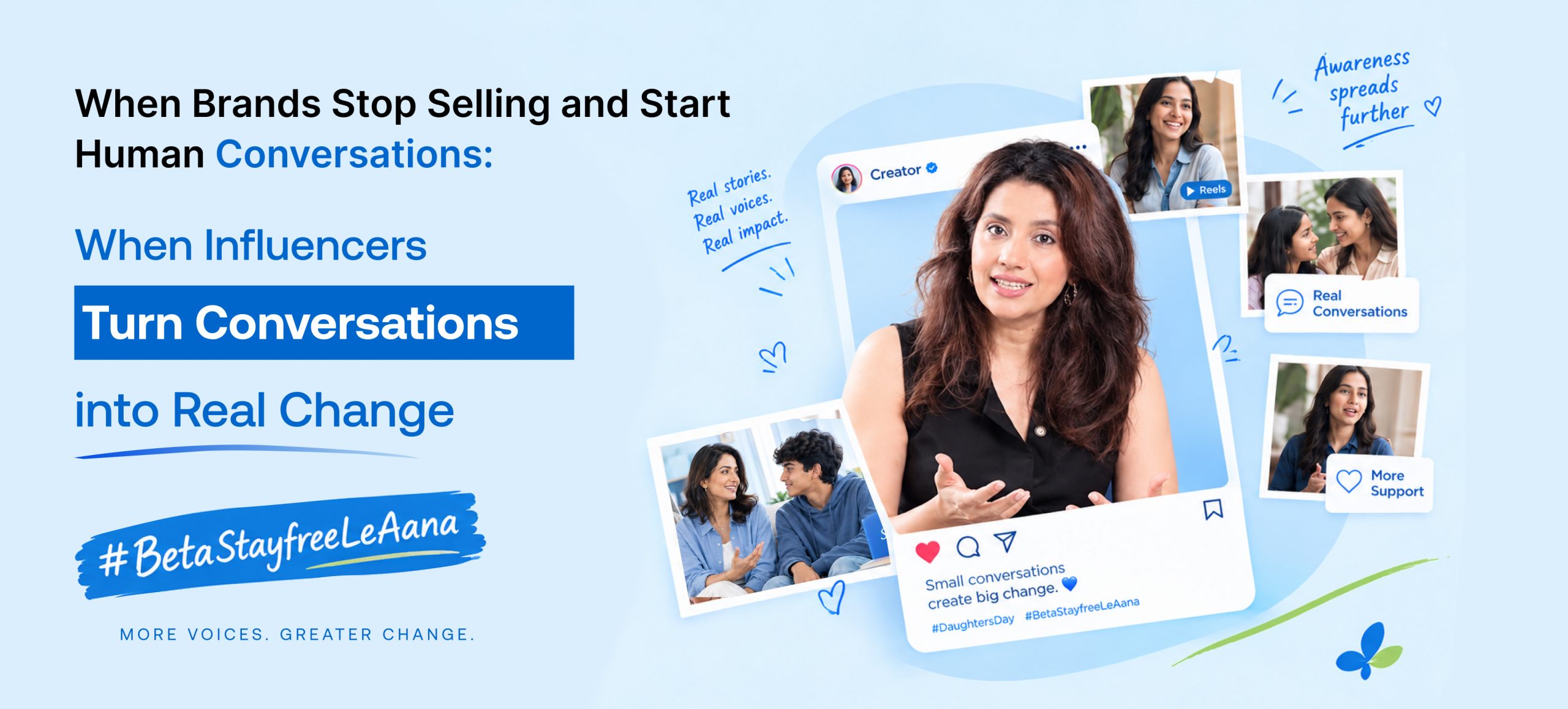
That question sits at the heart of Stayfree’s latest digital activation, created by DDB Mudra. The campaign goes back to parents who had previously refused to let their sons participate in Stayfree’s earlier #BetaStayfreeLeAana campaign. According to campaign coverage, around 70% of parents had initially declined because of discomfort, social stigma, or concerns about boys being associated with a period-related advertisement. Stayfree turned all rejections into the campaign, and that is where the marketing lesson becomes big.
The Strong Rejection Became the Story
Most brands spend enormous amounts of time trying to make their campaigns look perfect. Stayfree found something more interesting as the parents who said “no” became part of the conversation. The new film features content creator and mother Linda Fernandes, who tries to break the social stigma. That is powerful because the brand isn’t just asking people to watch an advertisement; it’s asking them to reconsider social behavior.
This Is Where Influencer Marketing Gets Interesting
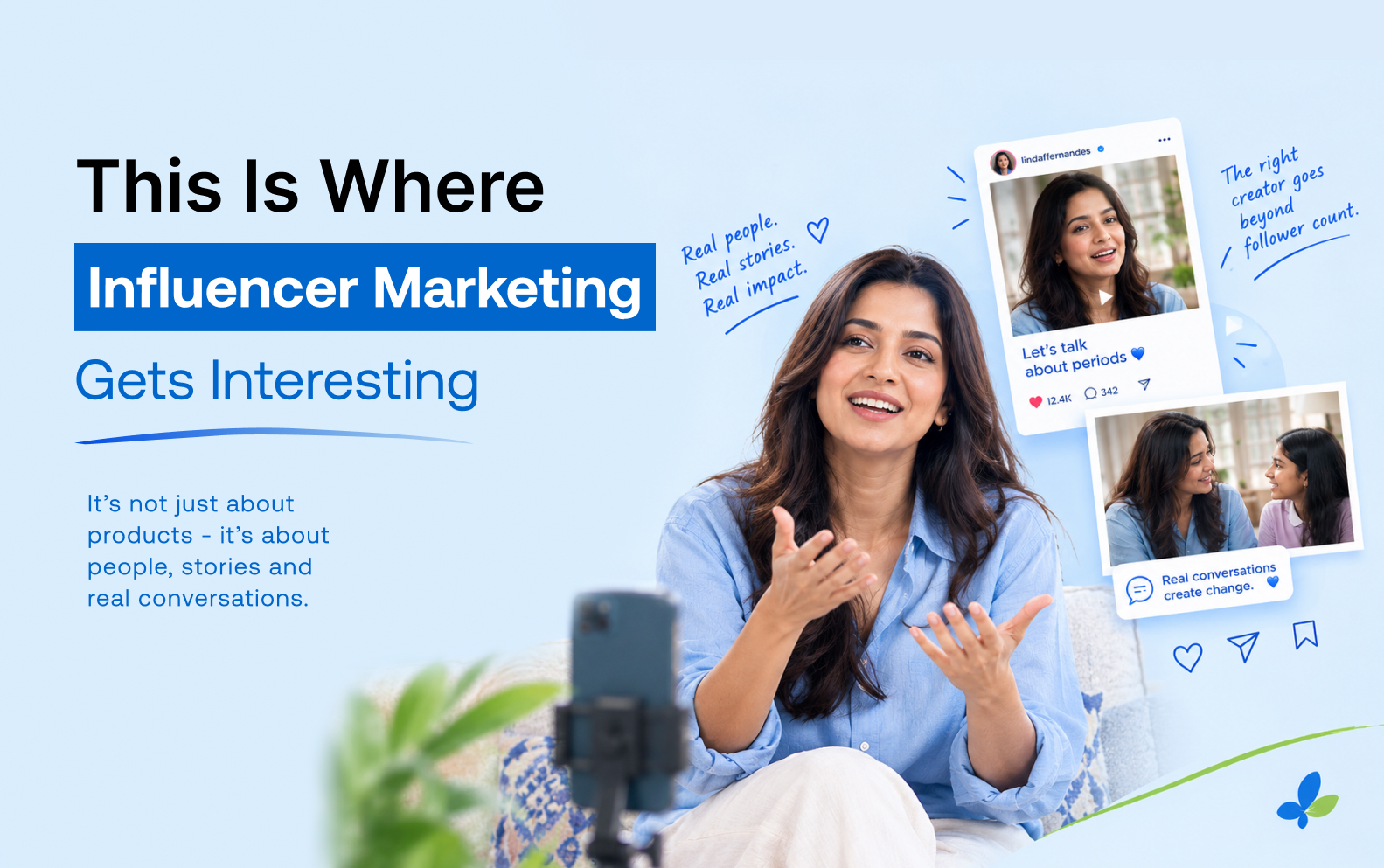
Influencer marketing is often reduced to a transaction: find a creator, give them a product, create a Reel, and publish it. But campaigns like Stayfree’s demonstrate that a creator can become a conversation starter.
As a mother, Linda Fernandes adds a personal, relatable dimension to the conversation. The campaign uses her to facilitate a discussion around something many families may find difficult to address. The real value of a creator isn’t always their follower count. It can be their ability to make an audience pause, relate, and participate. Some brands open up a much wider role for influencer marketing, not just product promotion. Influencer marketing becomes more meaningful when the creator is part of the story rather than simply part of the media plan.
Consistency Gives Brand Recognition
Stayfree has built this narrative across multiple campaigns rather than treating each advertisement as an isolated moment. The “It’s Just a Period” platform has worked over several years to normalize conversations around menstruation, moving from encouraging fathers to talk with daughters to encouraging parents to speak with sons and then to initiatives such as #BetaStayfreeLeAana. Consistency matters because it builds brand recognition.
Stayfree’s earlier campaign also used influencers and social media to encourage families to discuss periods. WARC reports that the campaign reached 6.5 million people and generated 3 million views in 13 days, while Stayfree’s household penetration increased by 4.9%.
Why This Matters for Brands on Instagram?
On social media, brands are competing with everything from memes and entertainment to creator opinions and breaking news. A polished product photograph alone has limited power to cut through that noise. Only a strong idea can. Stayfree’s campaign works because it builds in a conversation that can travel beyond the original film. They can become Reels, creator conversations, comments, reactions, interviews, and community discussions. This is where Instagram marketing and influencer marketing increasingly overlap. Creators can help turn a campaign idea into something people discuss in their own language.
The Branding Lesson: You Cannot Manufacture Relevance
In modern marketing, people tend to jump on every trending topic. But cultural relevance cannot simply be manufactured by adding a trending hashtag to a brand post. Stayfree’s approach is slightly different. The subject is already connected to the brand. Menstrual hygiene is its category, and the campaign addresses a real social barrier. That makes the message feel earned. The lesson is to ask, “What conversation naturally belongs to us?”
The Future of Influencer Marketing Is More Human

Stayfree’s campaign shows that influencer marketing becomes more powerful when creators spark human conversations rather than simply promote products. The future is about using technology to scale ideas while keeping human stories at the core.
Share your thoughts and views about Stayfree’s latest campaign.