Key Takeaways

  • Regional creators are winning trust through relatable, culturally relevant content.
  • Tier-3 and Tier-4 markets offer stronger engagement and deeper community connections.
  • Creator networks can outperform a single big celebrity in efficiency, reach, and content volume.
  • Vernacular content drives local relevance, helping brands connect with Bharat audiences.
  • The future is a balanced creator ecosystem—celebrities for awareness, micro and nano creators for trust and conversion.

Why Are Brands Shifting from Mega-Celebrities to Tier-3 and Tier-4 Creators?

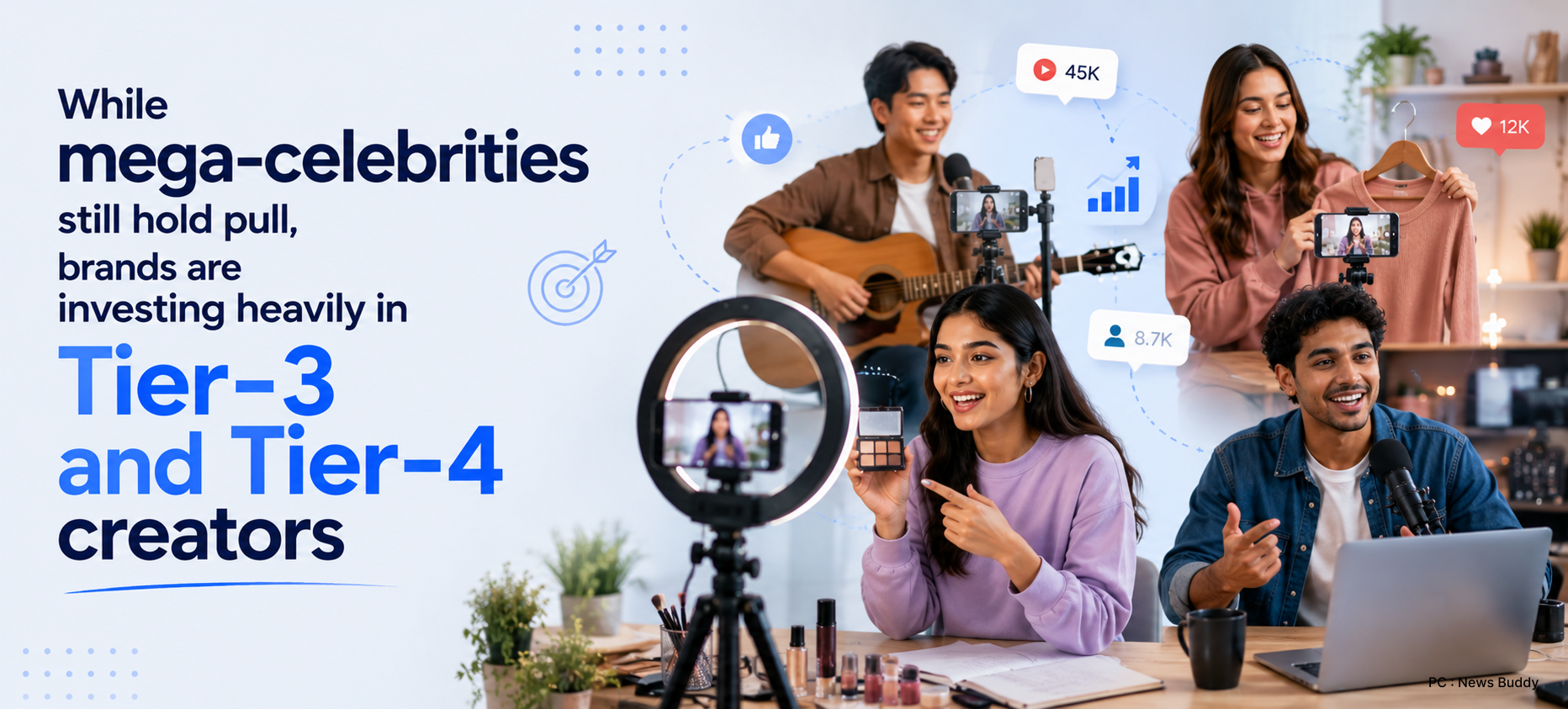
For years, mega-celebrities were the ultimate shortcut to mass awareness. A single Instagram post from a major celebrity, be it a film star or sports personality, could put a product in front of millions overnight. But the influencer marketing landscape has changed a lot. Brands do value celebrity influence; they are increasingly expanding their budgets toward creators from Tier-3 and Tier-4 cities. Celebrity campaigns struggle to deliver local relevance, community trust, and highly targeted engagement.

This shift is creating a new opportunity for every influencer marketing agency in India. Instead of asking, “How many people can this creator reach?”, marketers ask, “How applicable are these people to our business?”

The Creator Economy Is Moving Beyond Metro Cities

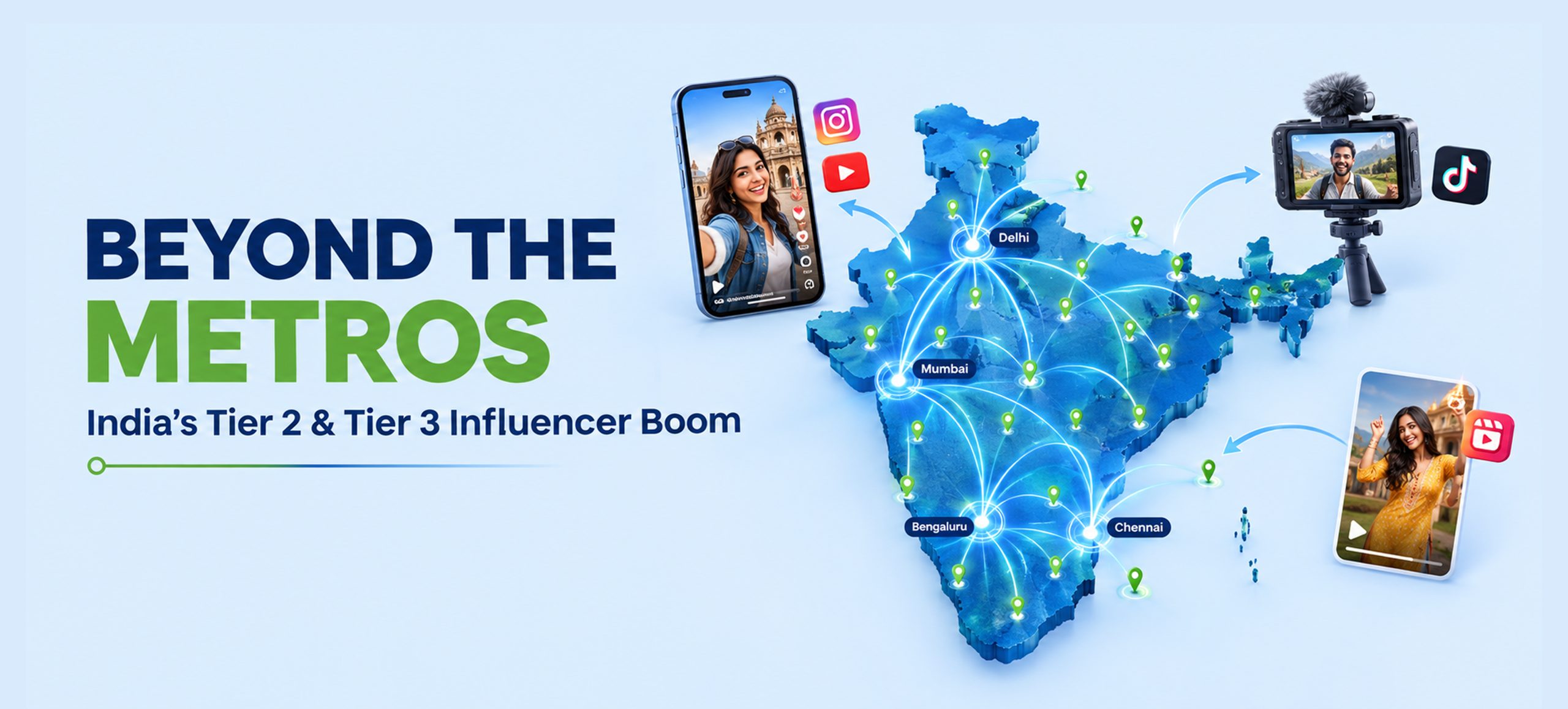
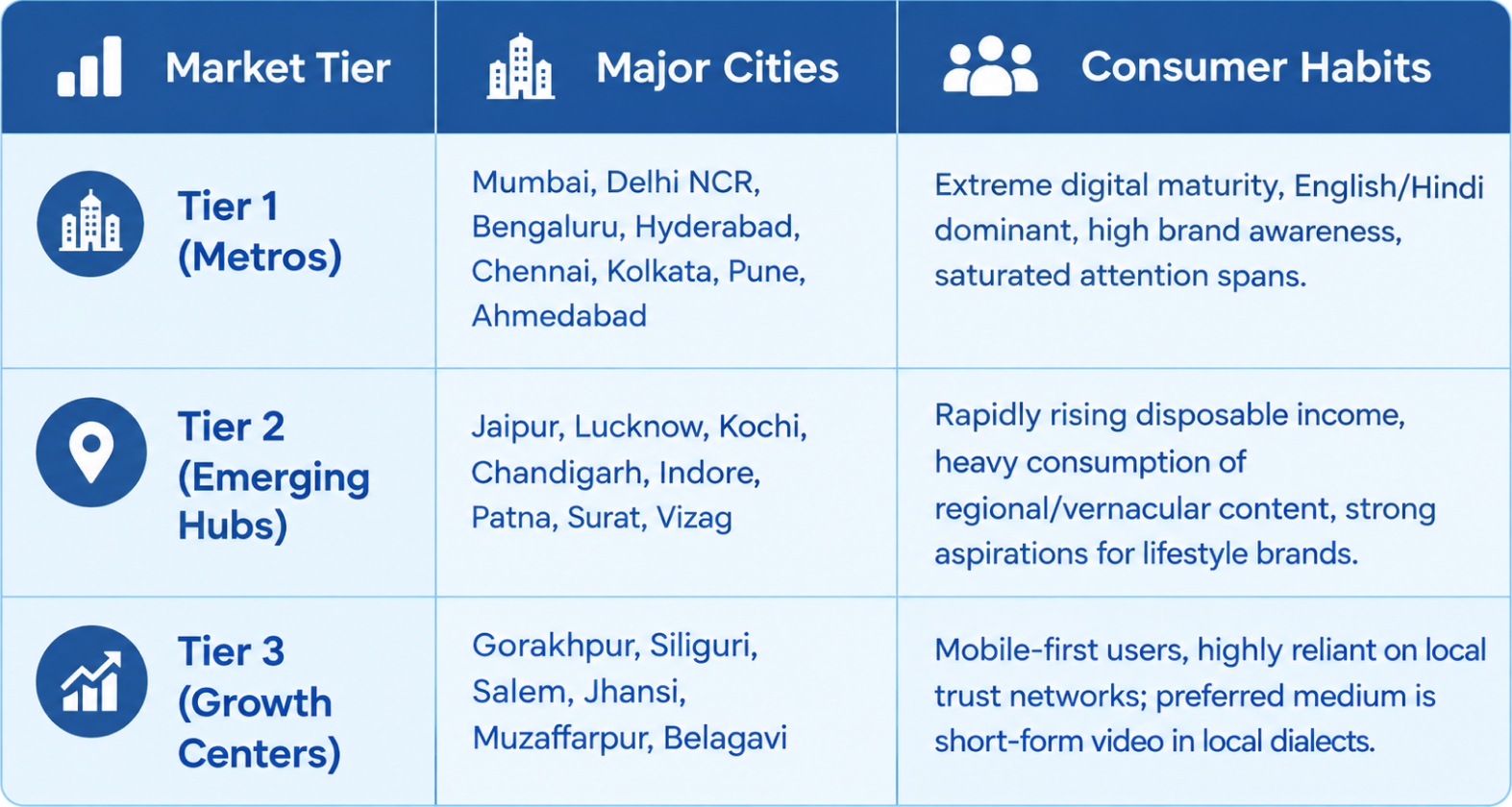
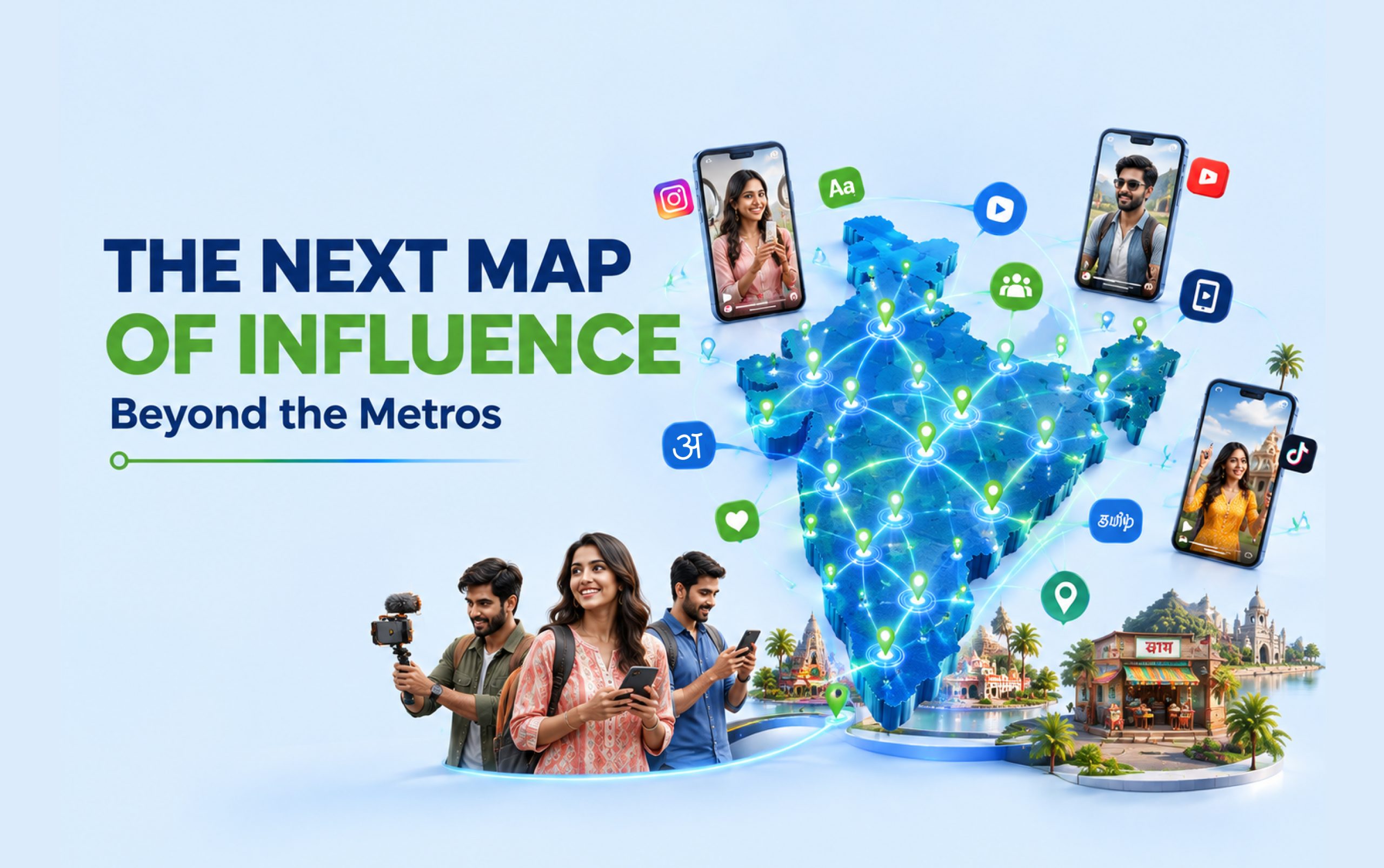
India’s creator ecosystem has expanded dramatically. Regional creators across platforms such as Instagram, YouTube, Moj and ShareChat are playing an important role in connecting brands with audiences beyond India’s major metros. The opportunity is significant because India’s online audience is no longer concentrated in Mumbai, Delhi, or Bengaluru. Smaller cities are producing creators who understand their audiences more deeply. They speak the language, use local references, and create content around regional lifestyles.

The latest reports show that almost 62% of creators have seen an increase in regional and vernacular campaign briefs from brands. The data also found that Tier-3 and Tier-4 markets can deliver engagement rates of approximately 4.5%–5.5%, compared with around 3%–4% in metro markets. This difference plays a key role when brands measure outcomes and not just count impressions.

Why Tier-3 and Tier-4 Creators Are Winning Attention

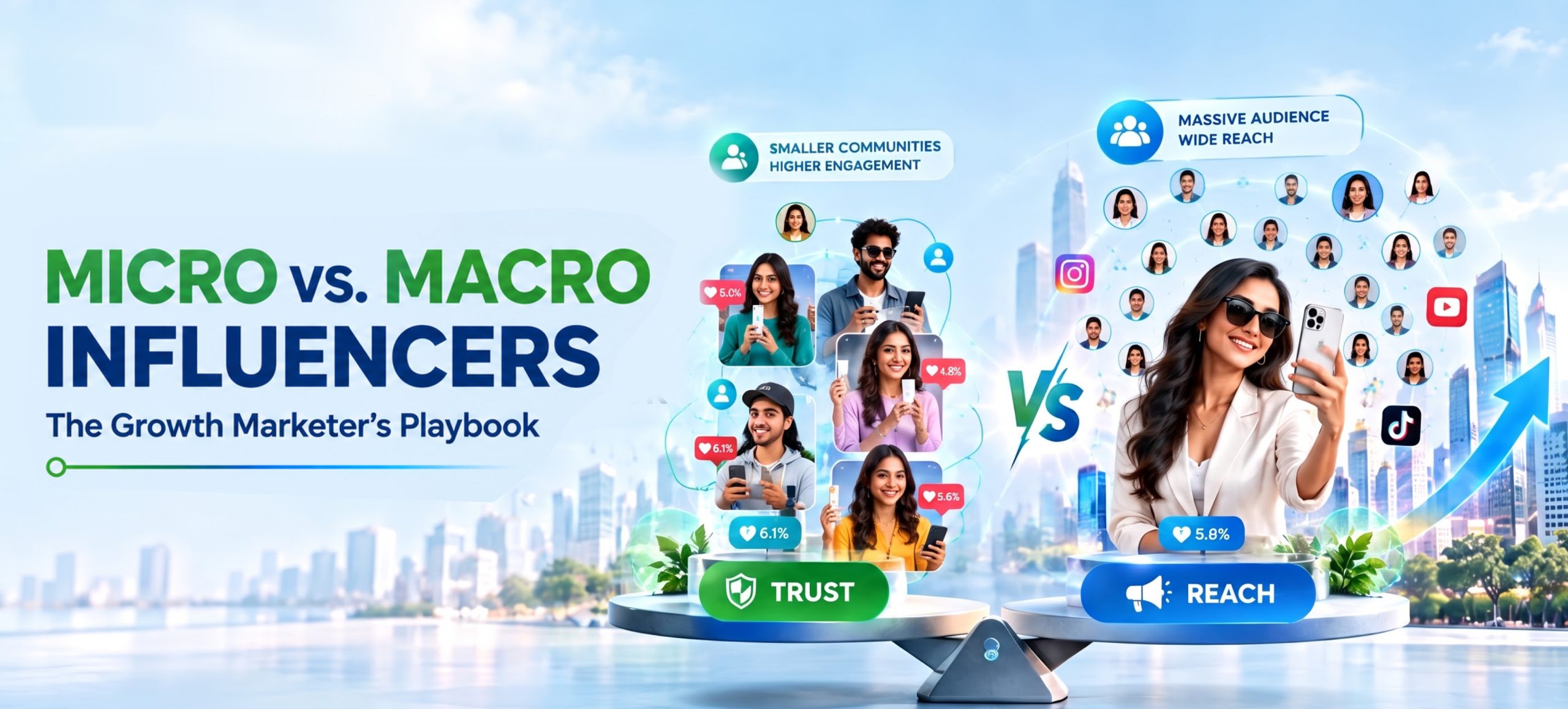
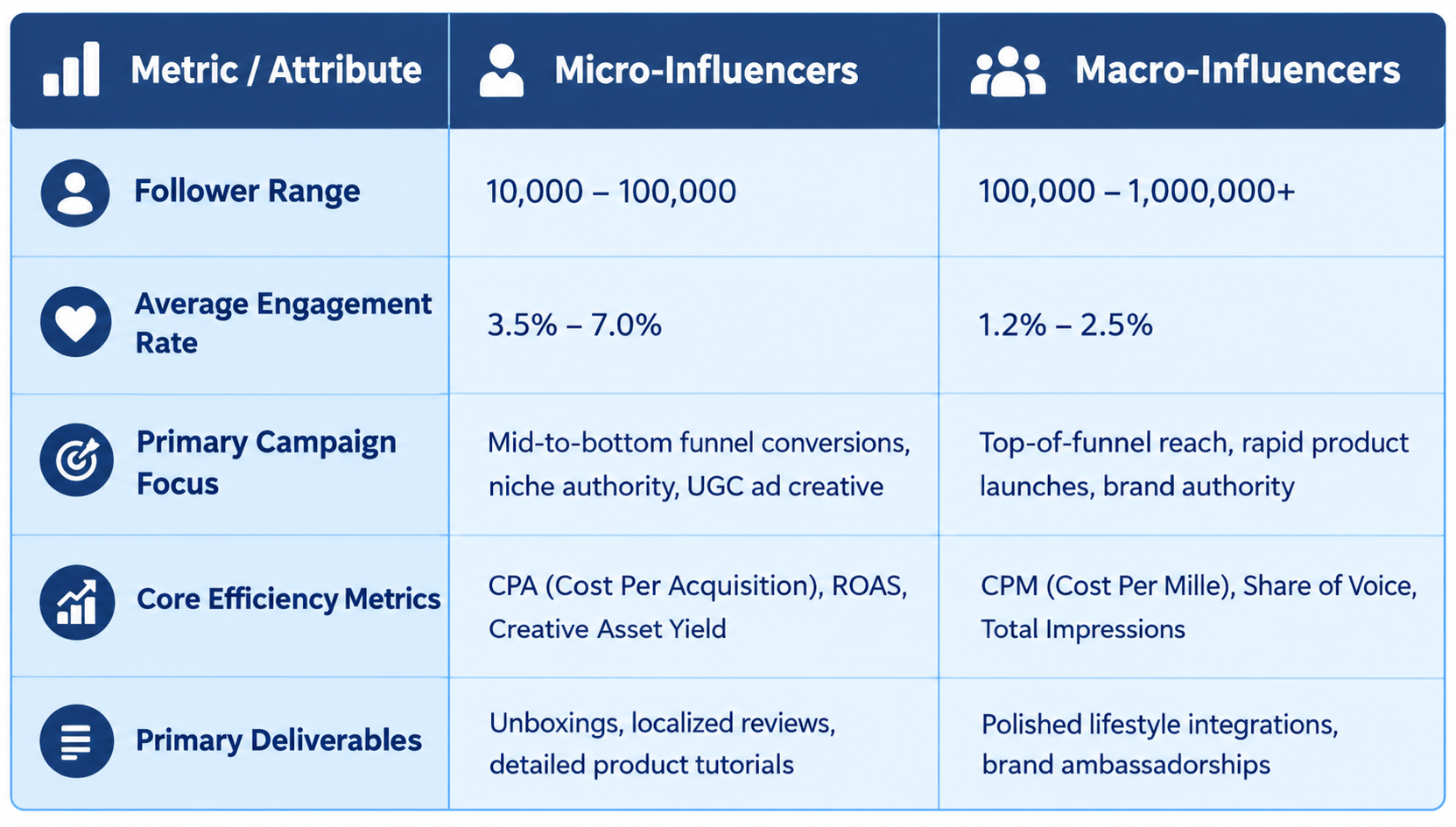
Mega-celebrities offer broad reach, but smaller creators can provide something exclusive: believability. A beauty creator from Lucknow discussing a skincare routine in Hindi feels more relatable to a local audience than a national celebrity delivering the same message in a fashion advertisement. A food creator from a smaller city can recommend a restaurant based on genuine local experience. A regional fashion creator can explain how a product fits into a festival, wedding, or everyday apparel. These feel more like recommendations from someone the audience already follows. This is why the quality of engagement has become such an important factor. The art is to balance macro/large influencers for awareness with micro and nano influencers for engagement.

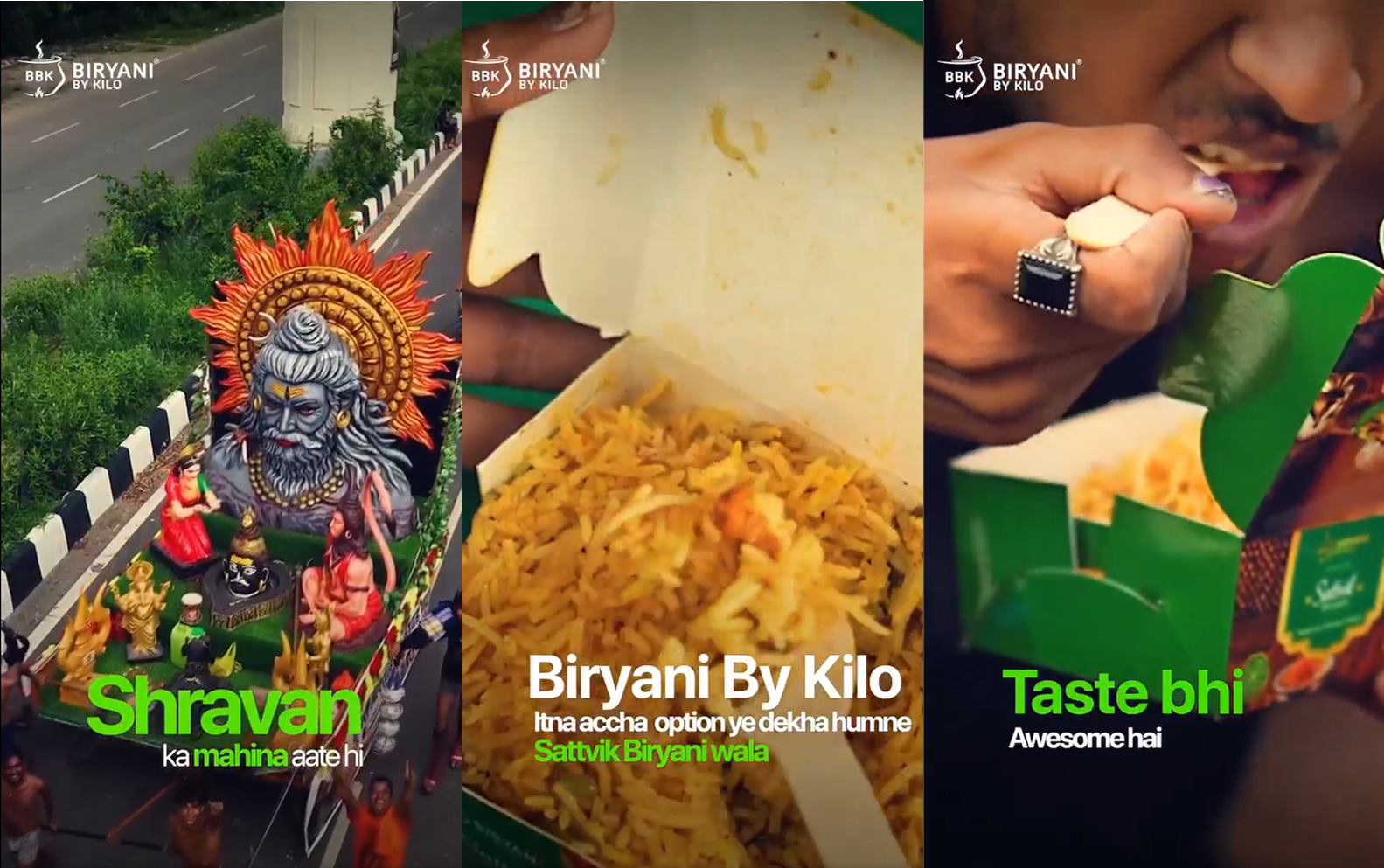
Regional creator marketing by Biryani by Kilo

Biryani by Kilo
PC – Biryani by Kilo

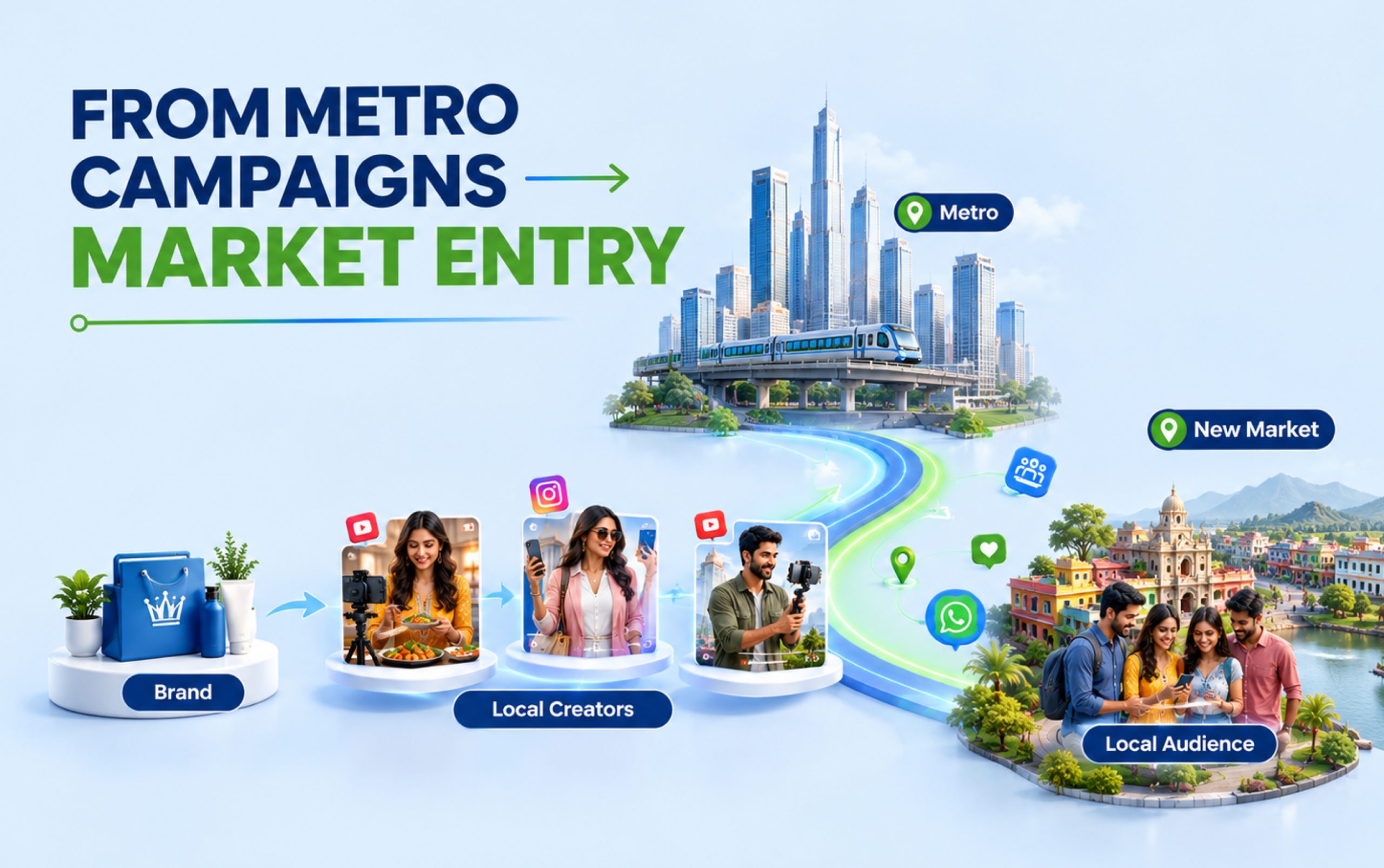
Biryani By Kilo shows how regional creator marketing supports the expansion beyond traditional metro audiences. In a campaign focused specifically on Tier-3 and Tier-4 cities, the brand partnered with regional creators through an influencer marketing platform. The campaign used food-focused content, product demonstrations, and barter collaborations to introduce the dum-cooked biryani experience to local audiences. According to the campaign case study, the activation reached more than 2.15 million people across emerging markets.

The lesson is that, instead of treating smaller cities as secondary markets, the brand engaged creators already embedded in those communities.

Meesho also Shows the Power of Vernacular Creators

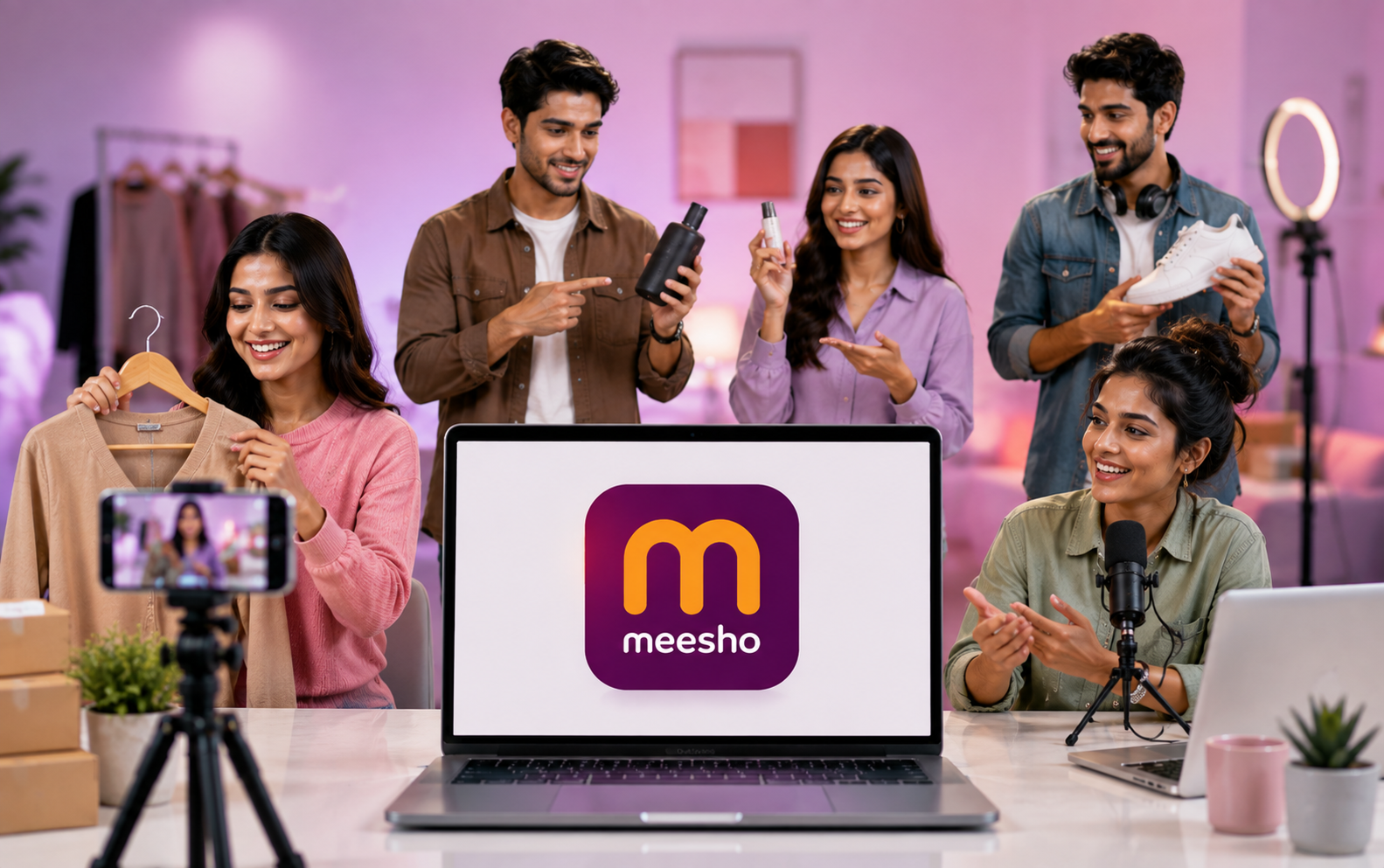
Regional creators are also valuable when the goal is not just product awareness. Meesho’s seller-acquisition campaign used 55 creators and reported 20 million reach, 13% engagement, and 11x ROI. The campaign focused on vernacular and regional creators to reach potential sellers in Tier-2 and Tier-3 cities, positioning entrepreneurship and side income through locally relevant storytelling.

This demonstrates why creator selection should be aligned with the campaign’s actual objective. The right regional creator may not have millions of followers, but they can have precisely the audience a brand wants to influence.

Meesho

From One Big Bet to a Network of Influence

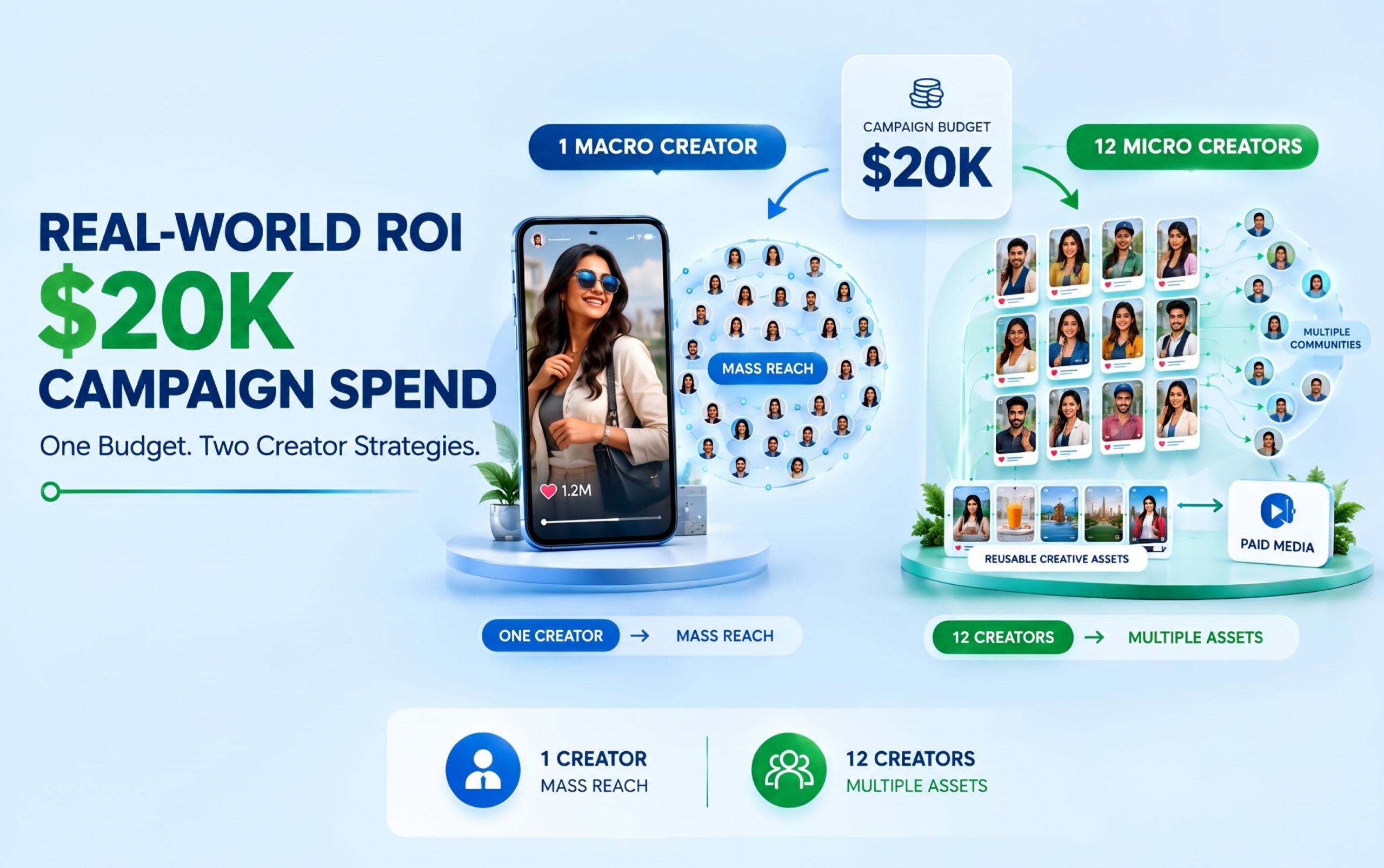
Budget efficiency is reshaping how brands approach creator marketing. Instead of investing a large portion of the budget in one celebrity, brands can collaborate with multiple creators across cities, languages, and niches. This creates more content, broader audience touchpoints, and stronger local relevance. For brands targeting India’s rapidly growing Bharat markets, smaller creators can deliver impressive value by combining affordability with authentic community connections, making influencer campaigns more scalable and efficient.

Influencer Marketing Agency Plays a Role

Managing hundreds of regional creators manually can become time-consuming and difficult to measure. Brands need to evaluate audience demographics, engagement quality, location, language, pricing, content style, and campaign results before making decisions. An influencer marketing platform simplifies this process by helping brands discover relevant creators, filter profiles by niche and geography, manage collaborations, track content, and analyze performance from one place. For an influencer marketing agency, these tools make regional campaigns more scalable, organized, measurable, and efficient without compromising creator quality.

The Future of Influence Is a Dispersed Creator Ecosystem

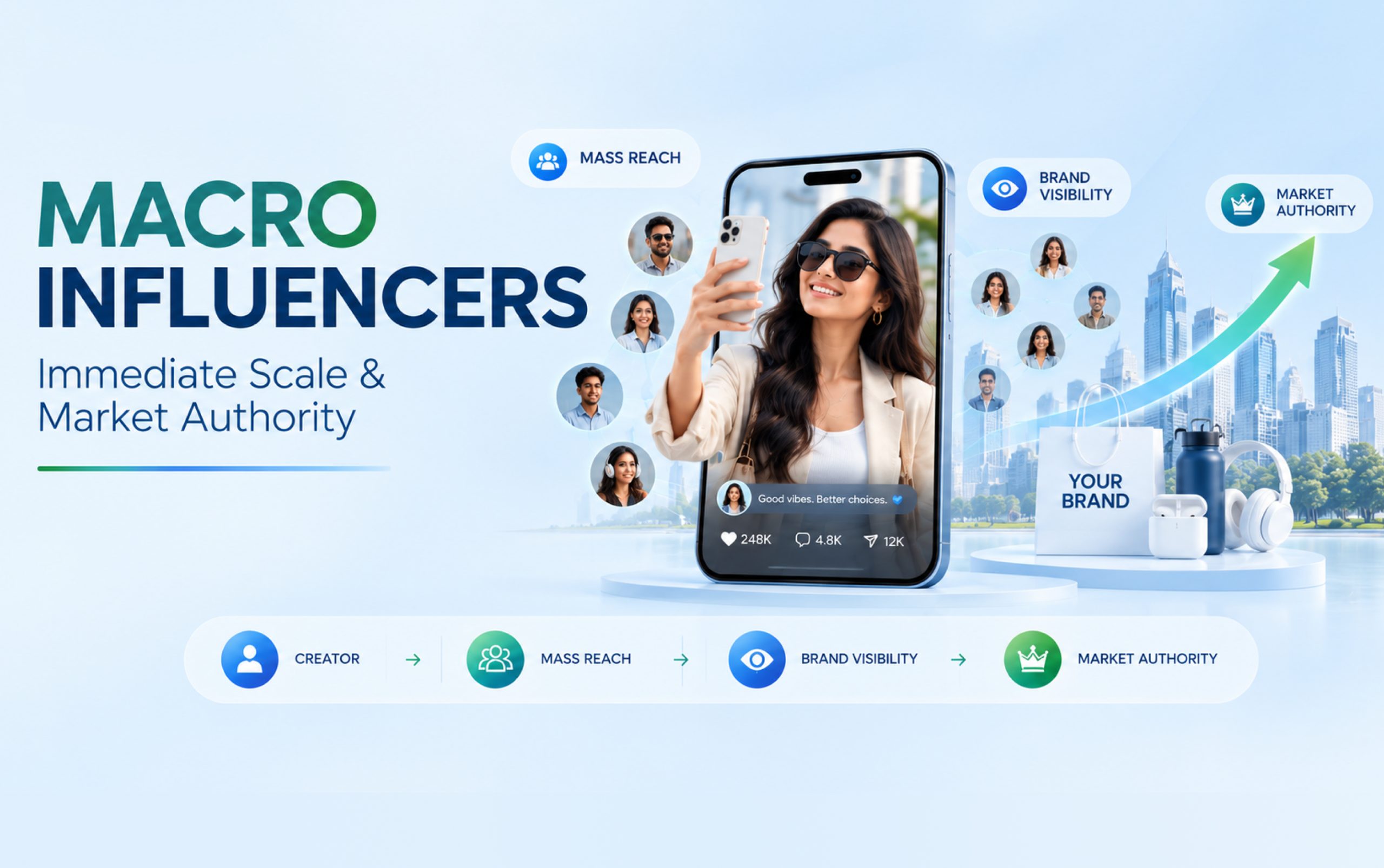
The rise of Tier-3 and Tier-4 creators does not mean celebrity marketing is disappearing. Mega-celebrities still play a powerful role when brands need rapid mass awareness, cultural visibility, and strong brand association. However, the smarter approach is to combine celebrity reach with regional creator depth. Mega-celebrities create the spotlight, while regional creators create meaningful conversations within niche communities.

The influencer industry is moving from a “one celebrity, one campaign” model towards a dispersed creator ecosystem. India’s influencer marketing industry is getting bigger every year. As this market expands, brands will need both scale and specificity. Mega-celebrities will continue to deliver fame, but Tier-3 and Tier-4 creators can deliver valuable proximity to consumers. The winning brands will choose very efficient regional creators. They will build creator portfolios in which every tier serves a purpose. Celebrities are for awareness, macro creators for scale, micro creators for consideration, and regional nano creators for community-level trust-building.

Key Takeaways

  • AI is shifting brands from borrowing influence to owning personalities. Brands can create digital characters that become long-term, scalable brand assets.
  • AI influencers offer scale and consistency. Unlike human creators, virtual personalities can be controlled, adapted, and produced without scheduling.
  • Human influencers still own authenticity and trust. AI characters build recognition, but lived experience, genuine opinions, and emotional connection remain advantages.
  • AI can become part of brand identity, not just a marketing tool. Myra Kapoor shows how a virtual character serves as a brand mascot with a distinct purpose.
  • The future is likely hybrid, not replacement. Human influencers build trust and relevance, while AI characters can create scalable content and brand consistency.

How Myra Kapoor Is Transforming Influencer Marketing with AI

The real story isn’t that Mankind Pharma created a Virtual AI model. It’s that brands are beginning to move from borrowing personalities to owning them. For decades, brands relied on celebrities and creators to build cultural relevance and influence. Now, AI-generated videos and digital personalities are giving brands new ways to create, control, and scale their own identities. This shift could significantly reshape the economics and structure of influencer marketing.

Myra Kapoor – The New AI Sensation in Manforce’s 2026 Branding

Traditional Influencer Marketing
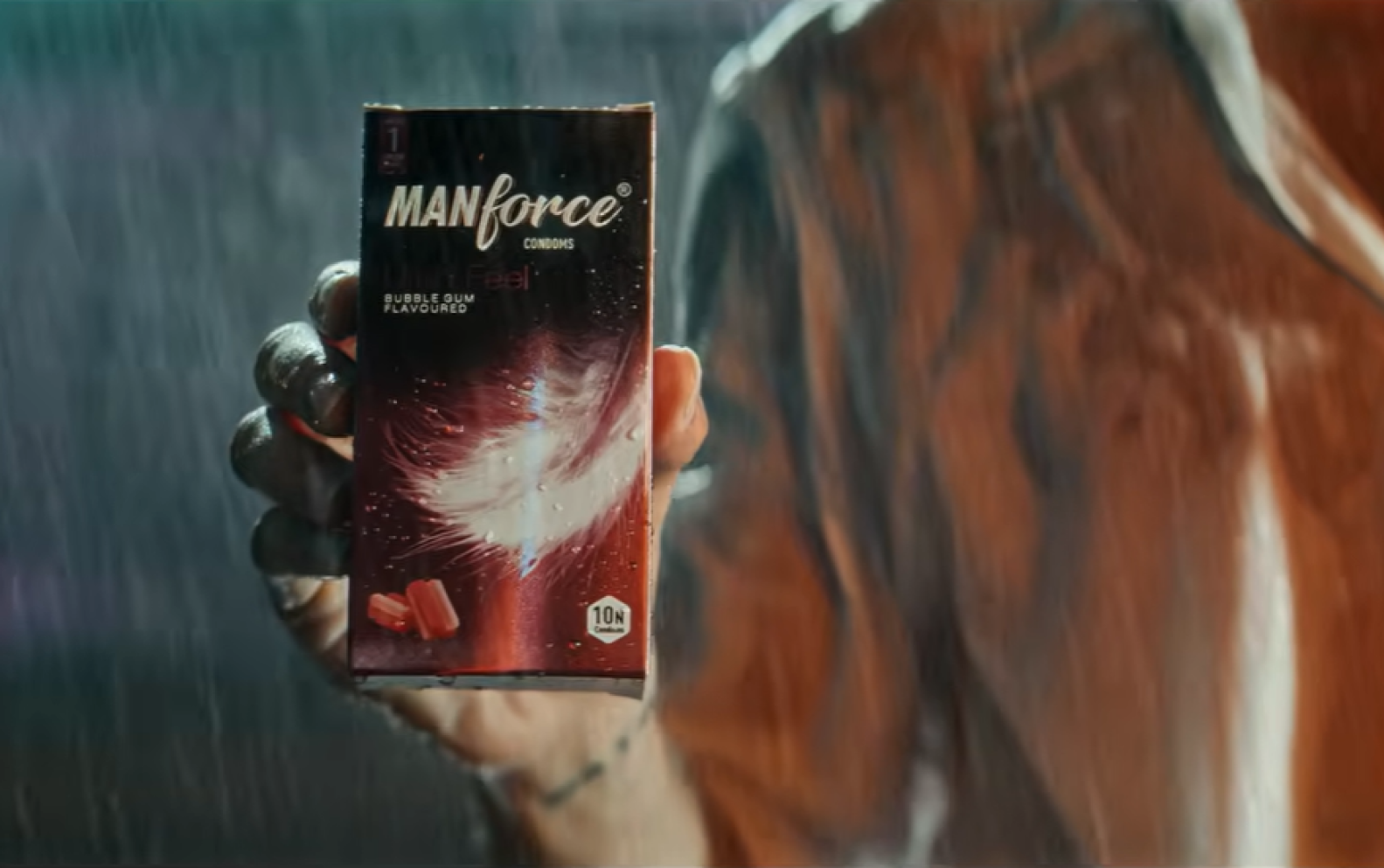
PC – Manforce Condoms

Manforce Condoms appointed Myra Kapoor, an AI-generated model, as its new official brand ambassador. This partnership is different from traditional celebrity endorsements, signaling a new chapter in influencer marketing for the FMCG sector in India. What makes the strategy particularly interesting is that Myra is not replacing Manforce’s human ambassadors. In April 2026, Manforce appointed actor and model Manasvi Mamgai while continuing its association with Sunny Leone and Myra Kapoor. Mankind appears to be treating AI and human influence as complementary rather than mutually exclusive.

The strategy is a calculated power play. By embracing an AI influencer, Manforce gains greater control over its brand narrative while reducing challenges associated with talent availability, scheduling, production, and reputational risk. Myra can be customized around specific campaign requirements and developed into different formats whenever the brand needs fresh communication. This approach also resonates with a digitally native Gen Z audience that is increasingly familiar with AI-driven content and virtual creations.

Myra’s Remarkable Potential and Consistency

Myra’s biggest influencer-marketing advantage could be her limitless content potential. Celebrity campaigns depend on talent availability, locations, production crews, styling, photography, permissions, and scheduling. An AI-generated character can offer a far more flexible content-production model.

Myra can be adapted across Instagram Reels, YouTube videos, memes, seasonal and festival campaigns, topical content, digital advertisements, product explainers, interactive experiences, social conversations, branded storytelling, and virtual events. This is where AI video marketing can be particularly valuable, allowing brands to experiment with visual storytelling while maintaining a consistent brand character and identity.

This consistent identity gives the brand greater control over scale and speed. It also reflects Mankind Pharma’s broader digital transformation, with its FY2025–26 annual report highlighting AI-led marketing, personalized engagement, influencer collaborations, and AI-enabled communication as part of its evolving marketing approach.

Manforce Owns Myra – A Brand Asset

The biggest branding idea behind Myra is that Manforce is not simply using an AI influencer to promote the brand. It is creating a potential brand asset. Mankind has positioned Myra to make conversations around intimate topics more approachable. She can give Manforce a distinctive and relatable voice in a sensitive category.

Beyond branding, her unconventional identity creates a strong PR advantage, generating curiosity, media attention, and conversations around the campaign itself. Her presence can also support a broader AI content-creation agency ecosystem, in which brands develop recurring digital characters and use them across multiple campaigns rather than creating one-off pieces of content.

Traditional celebrity marketing follows a linear model: the brand hires a celebrity, the celebrity promotes the product, and eventually the campaign ends. Myra changes this equation by giving Manforce creative ownership and greater control over the character. This could transform Myra from a campaign face into a long-term asset that contributes to brand recognition, consistency, and equity.

Intimate Talks and More Made Easy

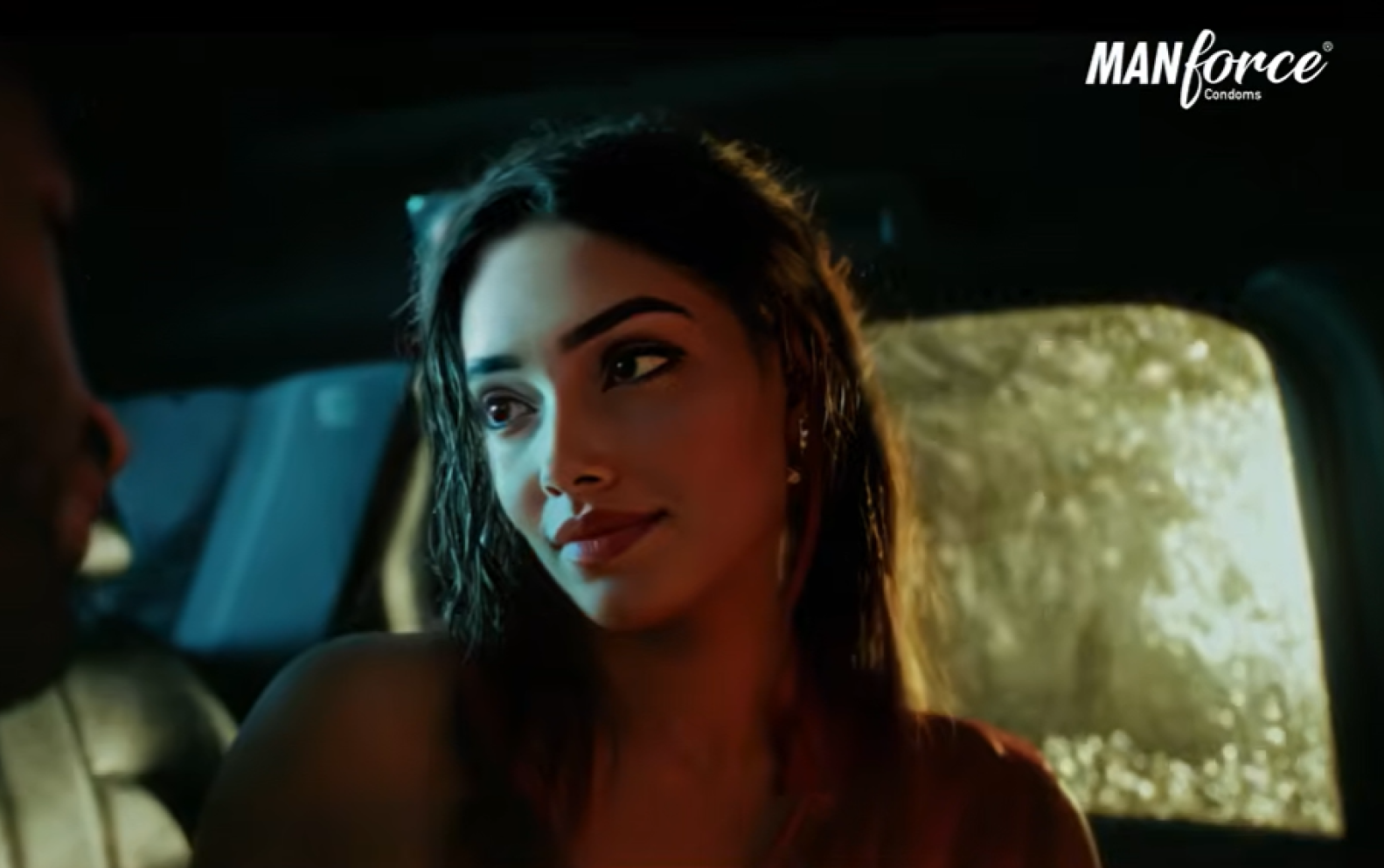
Myra part of a brand’s identity
PC – Manforce Condoms

Myra Kapoor is an example of how AI can become an active part of a brand’s identity. Manforce now has a new way to communicate that conversations around intimacy do not always have to be uncomfortable or difficult.

However, Myra’s long-term success will depend on more than novelty. She will need to create brand recall, emotional engagement, and, ultimately, consumer action. That makes her an interesting example of how brands are exploring opportunities to combine technology with human connection.

For brands seeking continuous, scalable content, creating their own digital personalities could become a powerful new layer in modern marketing strategy. Instead of simply hiring creators for individual campaigns, brands may increasingly build characters that exist as ongoing extensions of their identity.

But AI- Influencer Myra Isn’t Really a Replacement for Traditional Influencer Marketing

Myra is an AI influencer, but she is unlikely to replace human creators because the two offer different forms of value. Human influencers bring lived experiences, personal opinions, personality, audience relationships, social proof, and trust. They can genuinely say, “I tried this,” share a personal story, or explain how a product fits into their real lives. Myra, on the other hand, offers character, scalability, visual consistency, creative control, and complete brand ownership. But her experiences and stories are constructed rather than lived.

This makes AI influencers powerful for producing scalable brand content, but it also creates clear limitations. Audiences may engage with the character without developing the same level of trust they have with a real person. Therefore, the future of influencer marketing is unlikely to be a matter of human creators versus AI influencers. Instead, it is moving towards a hybrid ecosystem where human creators, AI characters, and celebrity ambassadors work together. Each can play a different role in building reach, creativity, credibility, and brand connection.

Will You Trust AI Influencer Myra?

The truth is that an AI character does not experience desire, heartbreak, attraction, or any other emotion. And without lived emotion, authentic storytelling becomes difficult. Yet audiences do not always engage with fictional characters because they believe they are real—they engage because the characters represent something relatable, entertaining, or culturally relevant. That leaves us with a much harder question: Can Myra create the same level of trust as human creators? The bigger opportunity may be discovering how AI-generated personalities and human creators can coexist and how brands can use both to build the next generation of influence.

Key Takeaways

  • Hyperlocal Festival Strategy: Pepe Jeans boosted Onam engagement in Kerala by replacing discount ads with localized influencer content.
  • Integrated Multi-Channel Execution: The campaign seamlessly combined regional creator content with geotargeted OOH billboards across 13 cities in Kerala.
  • Shift to Micro & Regional Creators: Over 62% of brand briefs now demand regional content for their strong local relevance.
  • Cross-Brand Validation: Global and national brands like Coca-Cola, BIBA, Renee Cosmetics, ITC Aashirvaad, and Sephora are successfully scaling localized influencer campaigns.
  • Strategic Agency Blueprint: Influencer marketing agencies must prioritize geographic audience demographics, cultural alignment, native-language fluency, and measurable conversions.

How Did Pepe Jeans Use Localized Influencer Collaborations Across Kerala to Boost Festive Engagement?

Fashion brands have treated influencer marketing mostly as celebrity endorsements—publishing stylish posts and showcasing products to millions. But India’s creator economy is changing the playbook. Reach and relevance are now equally critical, especially when national brands enter regional markets.

This shift is evident in Pepe Jeans’ localized influencer collaborations across Kerala during the Onam festive season. By pairing contemporary denim with regional creators and cultural moments, Pepe Jeans set a benchmark for how national brands can build campaigns that feel deeply local by collaborating with an influencer marketing agency in India.

The Shift Towards Localized Influence

PC : Pepe Jeans India Official YouTube

Pepe Jeans well understood that India is a collection of diverse cultural markets with different languages, fashion preferences, and festival traditions. But this time, they broke all conventions. During their Onam campaign in Kerala, Pepe Jeans London shifted away from nationwide discount promotions and executed an integrated, hyperlocal strategy designed to make contemporary denim a natural part of the modern Malayalam festive wardrobe. Rather than relying on usual discount banners, the brand positioned its modern denim and relaxed shirts as absolute staples for the Malayalam festive wardrobe. Rakesh Jallipally, CEO of Pepe Jeans London (India), said,

“Onam is a celebration that brings people, families and communities together, and we wanted our campaign to reflect that spirit while staying true to the Pepe Jeans identity…”

Using Multi-Channel Execution Tactics

To build authentic local touchpoints, Pepe Jeans activated three strategies:

Collaborating with regional creators – Teaming up with Kerala-based influencers, the campaign produced lifestyle-led content such as festive GRWM reels, Onam shopping vlogs, and Kochi city explorations. This showcased denim alongside traditional festive wear.

Geotargeted Coverage – The shift wasn’t just online. Pepe Jeans integrated digital creator content with physical billboards across 13 other key Kerala cities (including Ernakulam, Kozhikode, Thrissur, and Thiruvananthapuram).

Direct CRM & Footfall Conversion – Localized social content drove high engagement that was converted into store visits through targeted WhatsApp and conventional SMS communications sent to Pepe Jeans’ regional customer base.

By integrating regional storytelling across social channels, physical out-of-home media, and direct messaging, Pepe Jeans showed how denim naturally fits into local lifestyle experiences during festive occasions.

Brands Are Harnessing Local Stories – A Brief Coverage

Harnessing Local Stories
PC : Pepe Jeans India Official YouTube

Rather than creating a single campaign and translating it into several languages, leading brands build content directly around local context. Take a look at how other brands are also following the trend.

Coca-Cola is a great example of how a global brand can stay consistent while making its marketing feel local. In a campaign across the UK, France, Spain, Belgium, and the Netherlands, the company partnered with 33 influencers who created content focused on sharing meals with family and friends. While the core message remained the same, each creator presented it in a way that reflected their own culture, traditions and lifestyle.

BIBA, an Indian fashion brand, has worked with Assamese influencers during Durga Puja, South Indian creators around Onam, and Punjabi creators around Karwa Chauth.

Renee Cosmetics has similarly adapted influencer campaigns around geographically important festivals, including Onam in South India.

ITC Aashirvaad has taken regional content even further. Its South India creator program involved creators across Kerala, Tamil Nadu, Karnataka, Andhra Pradesh, and Telangana, generating 98 vernacular recipe videos and more than 29 million views against a target of 10.2 million.

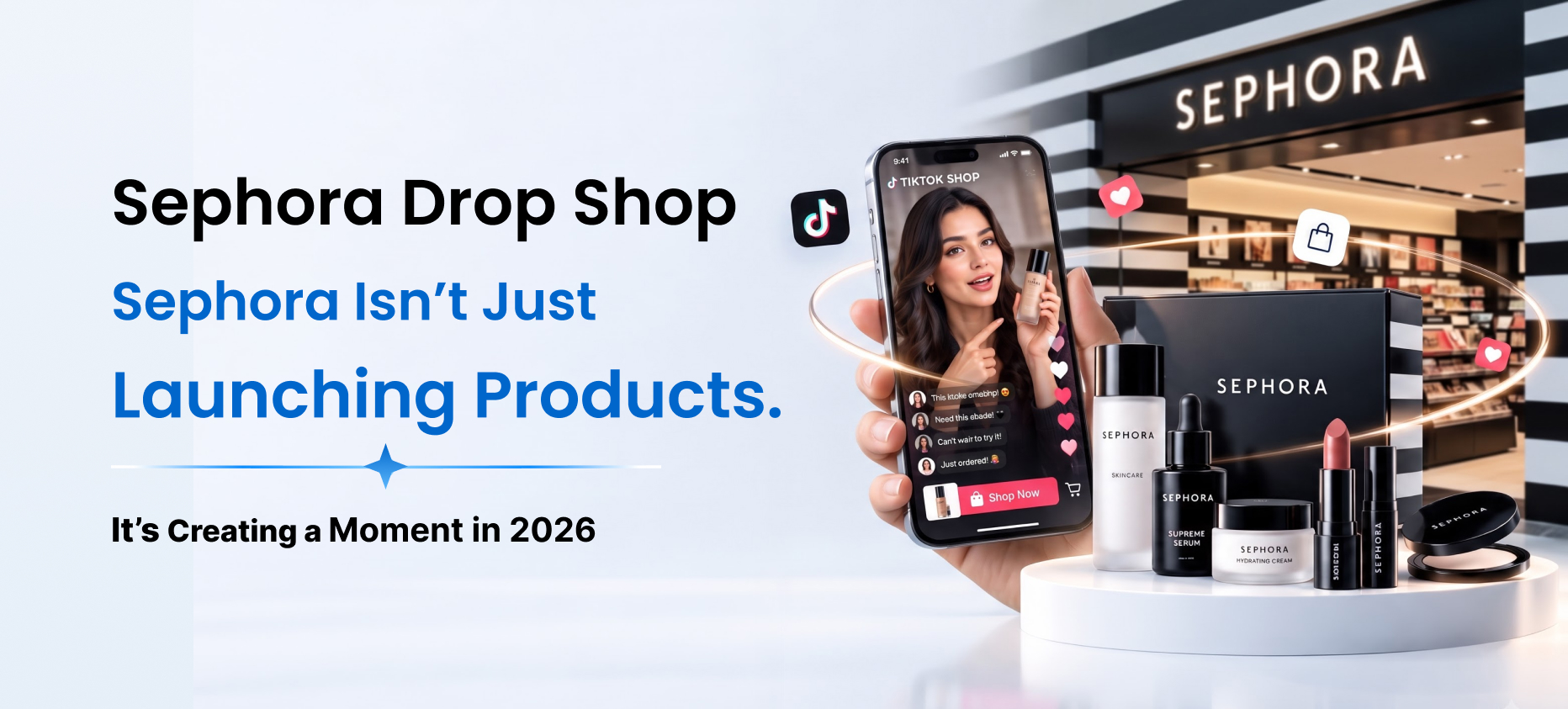
Sephora, the International beauty brand, has developed localized social strategies across different countries, using separate market-specific accounts, creators, and community approaches. Sephora’s international influencer strategy highlights how the brand adapts language, communication, and influencer selection for different markets.

Why Hyperlocal Influencer Marketing Matters?

In a country like India, national campaigns are difficult to personalize due to language, festivals, fashion preferences, and cultural references changing from one state to another. Research estimates that India has around 4–4.4 million active creators, while more than 62% of creators reported an increase in regional and vernacular campaign briefs. That is a good amount of opportunity for an influencer marketing agency. For a fashion campaign targeting Kerala, a Malayalam-speaking creator who understands Onam fashion may deliver better cultural relevance than any other national celebrity with millions of followers.

Why Micro-Influencers Are Rising?

The rise of micro- and nano-influencers is closely connected to this hyperlocal shift. Kofluence’s 2025 report found that 52% of marketers prefer micro-influencers with 10,000–100,000 followers for regional and hyperlocal campaigns. This is where influencer marketing platforms become essential. Brands can leverage these platforms for seamless creator discovery, audience filtering, and campaign analytics to efficiently scale hyperlocal initiatives.

Lessons for Influencer Platforms and Agencies

For an influencer agency in India, choosing creators should go beyond simply looking at follower counts or vanity metrics. A successful regional influencer campaign needs to consider several factors.

1. Whether the creator’s audience is actually based in the target region, whether they can communicate naturally in the local language, and whether their followers genuinely engage with their content.

2. Cultural fit is important, as creators should understand the festival, traditions and local preferences they are representing.

3. Their content style should also allow them to showcase a product naturally without making the collaboration feel like a forced advertisement.

4. Finally, brands should look at measurable outcomes such as reach, engagement, clicks, leads, and conversions to determine the campaign’s actual success.

Pepe Jeans’ Kerala Onam campaign proves that localized, culture-first influencer marketing drives far deeper audience engagement than generic nationwide promotions.