Key Takeaways
- Social Commerce Creates Demand: TikTok transforms product discovery into purchase intent by turning creator content, trends, and recommendations into shopping opportunities.
- Curated Drops Capture Attention: Sephora’s Drop Shop shows how exclusive launches and limited product selections can build anticipation and reduce choice overload.
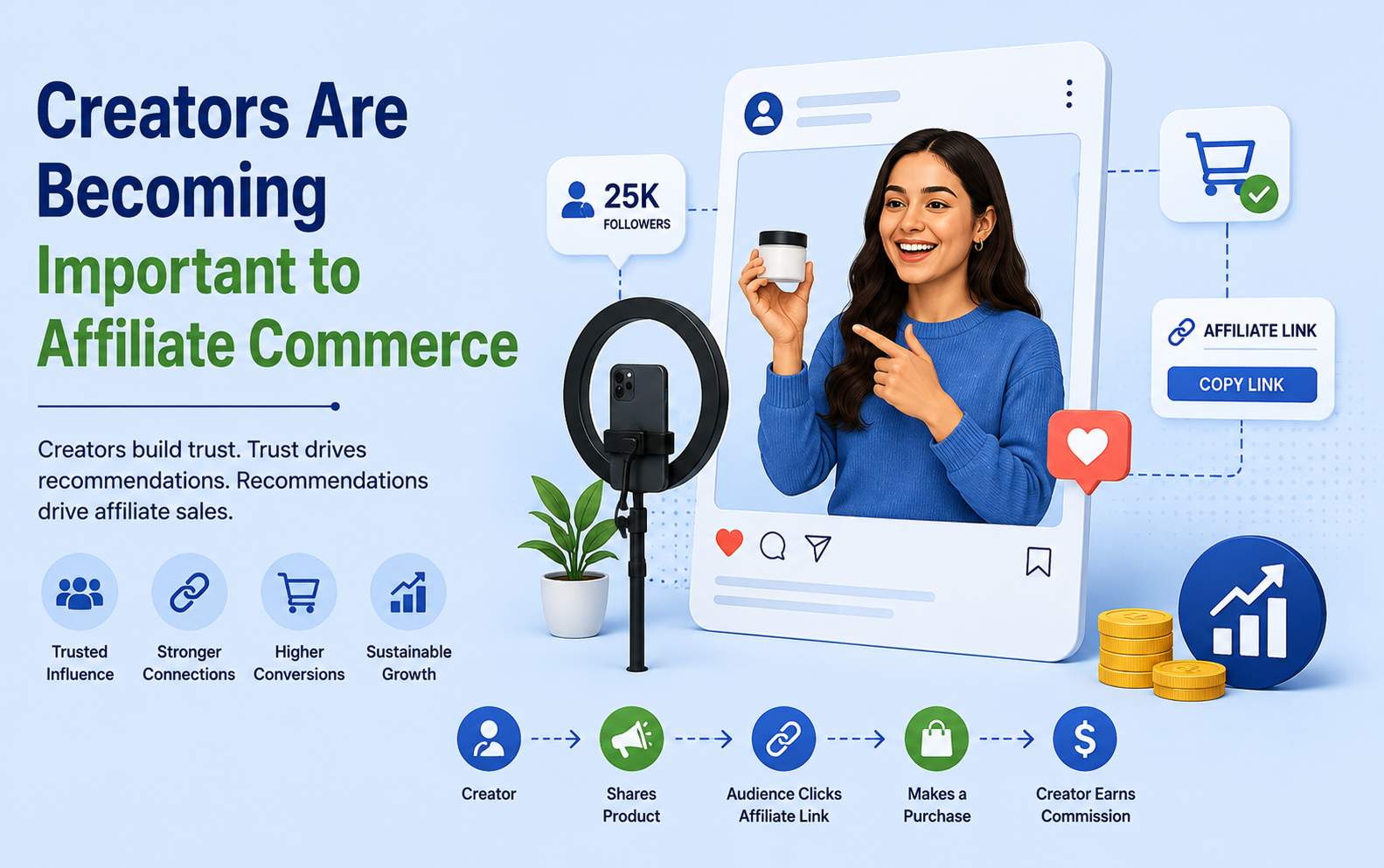
- Creators Drive the Entire Buying Journey: From teasers and product demonstrations to live interactions and checkout, creators connect brand awareness directly with conversions.
- Small and Regional Brands Can Compete: Tier 2 and Tier 3 brands can use authentic local creators and culturally relevant content to build buzz without relying on celebrity campaigns.
- Content Is the New Storefront: Brands that combine compelling storytelling, creator-led experiences, and seamless shopping can turn audience attention into meaningful sales.
What Sephora’s Drop Shop Teaches Brands About the Future of Influencer-Led Commerce
Traditional e-commerce wrote an old playbook: build a catalog, optimize for search, streamline navigation, and push the customer toward checkout. Sephora’s recent TikTok move completely flips that script.
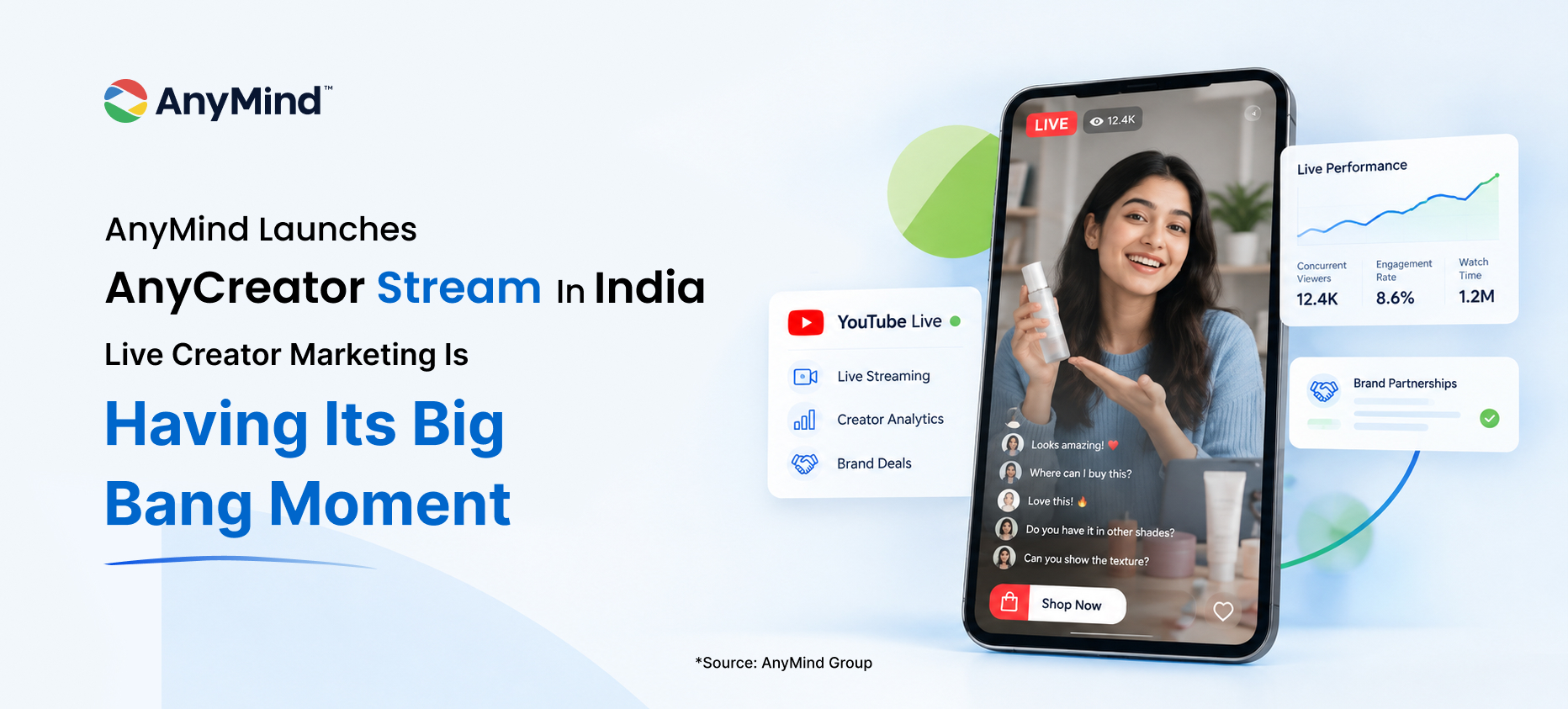
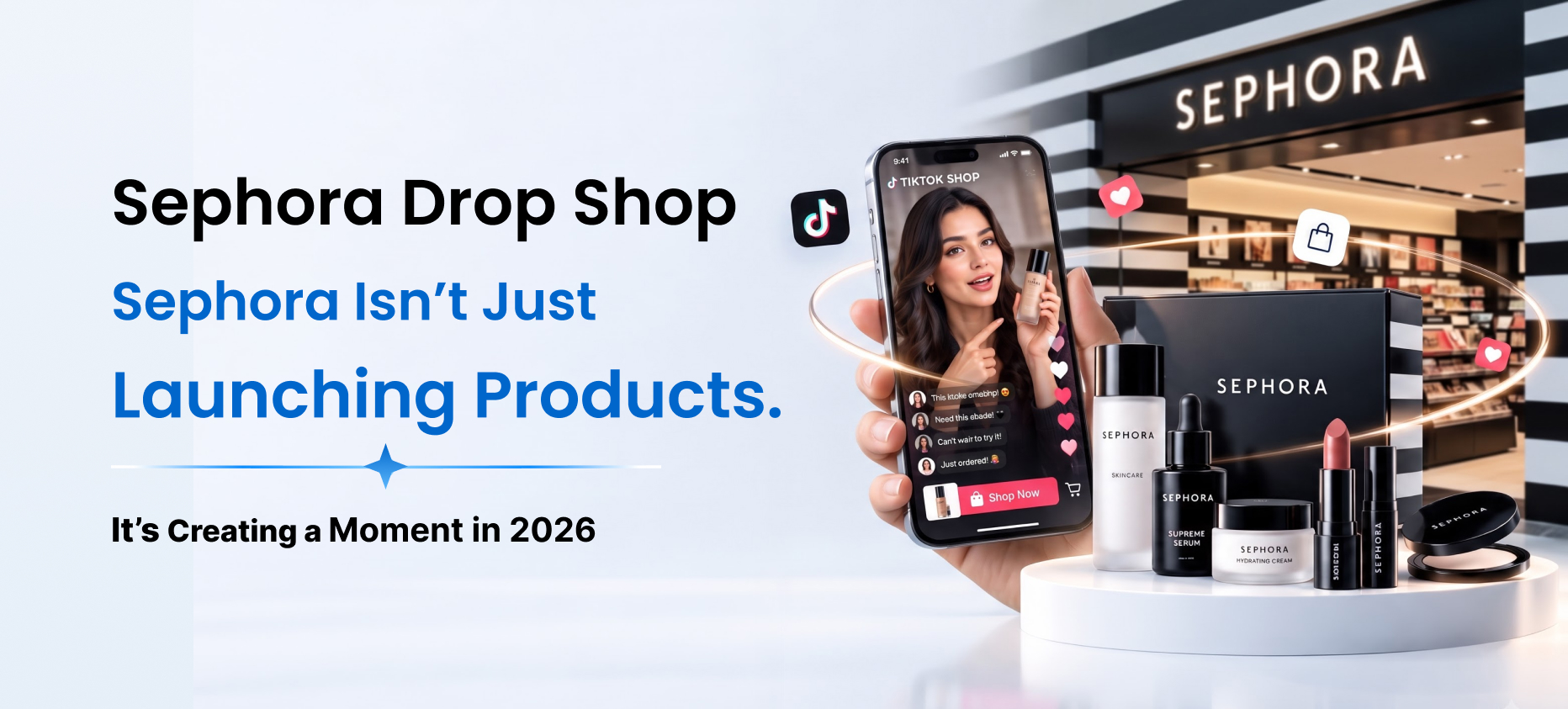
Rather than dumping its massive beauty catalog onto TikTok Shop and treating the platform like just another digital storefront, Sephora launched a curated shopping engine: the “Sephora Drop Shop.” The U.S. pilot, which launched on September 19, 2026, fuses exclusive monthly drops, creator-driven teasers, interactive experiences, and high-energy TikTok LIVE sessions. It looks like a fresh launch tactic on the surface, but the underlying strategy is much bigger—it redefines how brands engineer product discovery and generate demand from thin air.
TikTok Isn’t Just Another E-Commerce Platform
Traditional e-commerce and social commerce run on entirely different engines. On a standard marketplace, shoppers arrive with high intent. They search, compare alternatives, scrutinize reviews, and buy.
TikTok flips this model on its head. Users don’t open the app looking for a specific foundation, serum, or perfume. They stumble upon one because a creator uses it in a morning routine, it pops up in a viral format, or an unscripted recommendation sparks instant curiosity. On social platforms, discovery doesn’t follow purchase intent—it creates it.
Why This TikTok Shop Strategy Shows the Future of Creator-Led Commerce
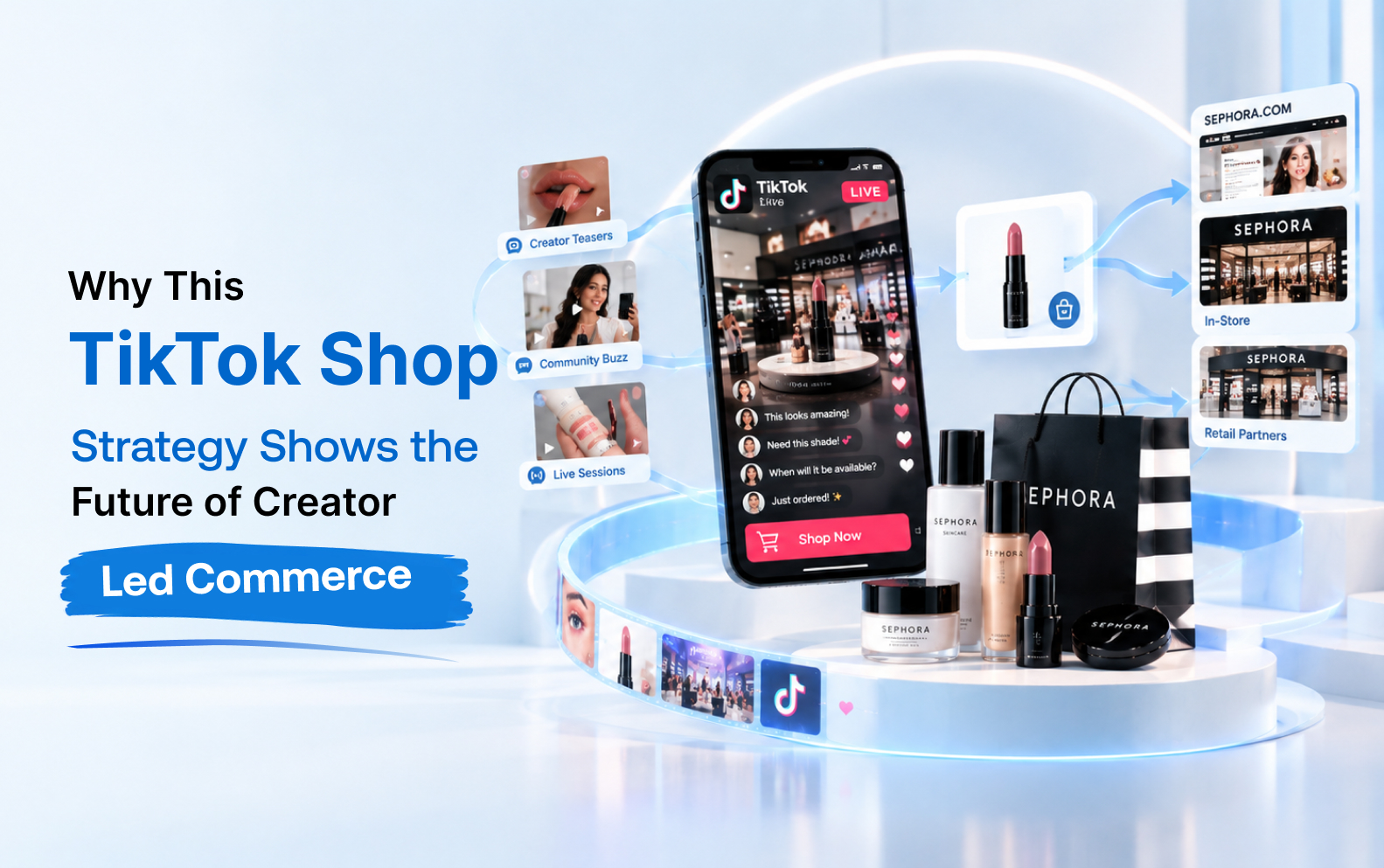
Instead of quietly dropping another SKU into the digital noise, Sephora builds pure anticipation around every monthly release. It kicks off with creator teasers, ignites community conversation around the featured brand, and climaxes in a co-hosted TikTok LIVE featuring creators, brand founders, and celebrity hosts. Shopping isn’t an afterthought—it’s built directly into the live experience through native TikTok Shop checkout. From there, breakout products expand beyond TikTok into Sephora.com, brick-and-mortar shelves, and retail partners. The product never sits idly on a digital shelf waiting to be found; it commands a storyline, a creator network, hype, and a dedicated cultural moment.
Less Choice Creates More Attention
Sephora is making a intentional play: less friction, higher impact. Instead of overwhelming shoppers with thousands of options, it spotlights a tight, curated selection and builds an unmissable moment around each brand. This blend of entertainment, education, and instant commerce gives Sephora a real-time lab to test what truly resonates with its TikTok audience.
The Creator Can Become Part of the Commerce Journey
Creators are no longer just amplification channels handed a script and paid for reach. They are becoming co-architects of the launch itself. Sephora’s Drop Shop embeds creators into every stage—from early teasers and product demos to real-time stream interactions. That redefines the creator’s role entirely. They aren’t just driving awareness; they spark curiosity, demonstrate real value, answer live questions, and turn passive interest into instant conversion.
For brands, influencer marketing and social commerce are no longer separate playbooks. The creator is the direct bridge between initial discovery and checkout.
What Brands Can Take Away from Sephora
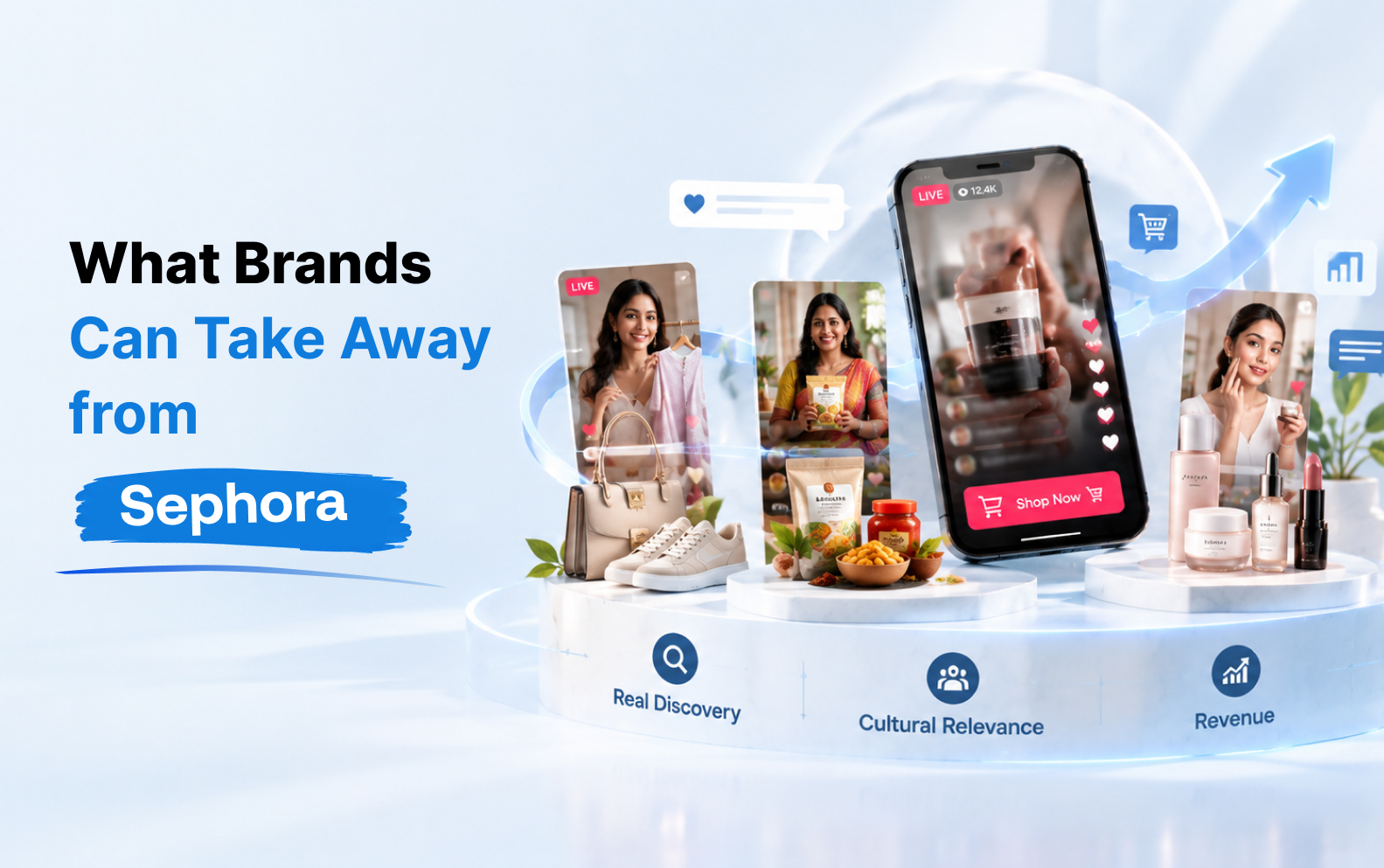
Sephora’s blueprint extends far beyond beauty. The same mechanics apply across every category. A fashion brand can turn weekly drops into creator-led live try-ons. An FMCG brand can spark local buzz using regional creators who speak the local cultural dialect. A D2C brand can rally hype around a single hero SKU on a live stream instead of spreading ad spend thin across an entire catalog.
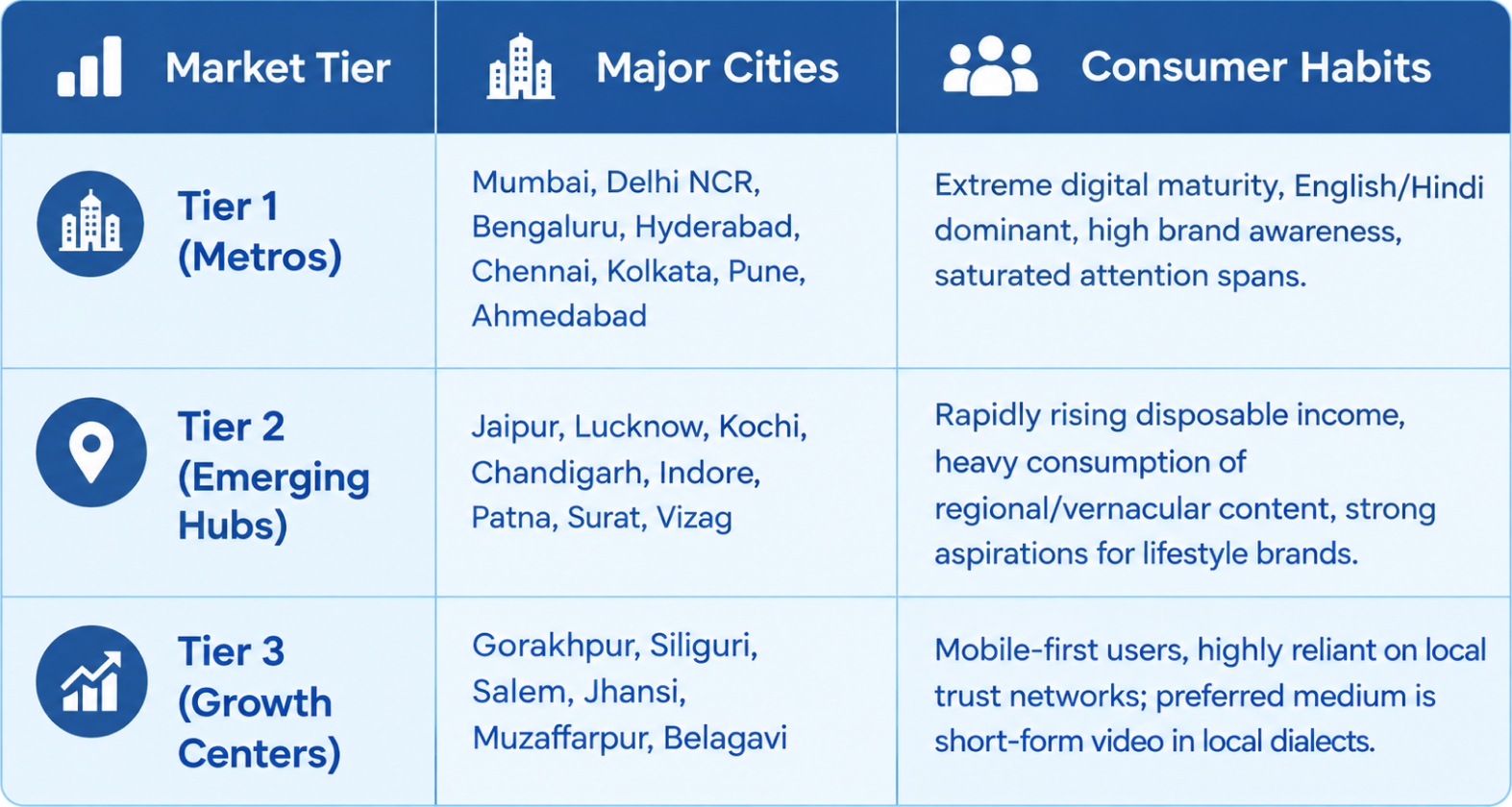
For Tier 2 and Tier 3 brands, the opportunity is massive. Local creators can elevate culturally resonant products into shared moments people discuss, share, and buy. The formula is sharp: curate the product, partner with authentic creators, craft the story, drive conversation, and embed checkout seamlessly into the content. That’s the exact pivot where influencer marketing stops being about paid reach and starts driving real discovery, cultural relevance, and revenue.
Content Becomes the New Storefront
Sephora’s Drop Shop signals a permanent evolution in digital retail: the static product catalog is no longer the primary storefront.
Content sparks curiosity, creators build trust, and structured drop moments turn fleeting attention into action. As social platforms make checkout invisible, brands must look beyond passive listings and vanity metrics. The winning brands won’t just list inventory—they’ll build experiences audiences actively want to watch, share, and buy into.