Key Takeaways
- Marketing automation in 2026 is no longer just about efficiency. It has become a powerful revenue-driving strategy for modern brands.
- Smart triggers are the differentiator, enabling businesses to respond instantly to customer behavior, intent signals, and engagement patterns, creating highly personalized experiences.
- Real-time interactions are becoming a customer expectation, making generic campaigns less effective and increasing the demand for personalized experiences.
- Industry leaders such as Amazon, Starbucks, and Spotify demonstrate how automation can boost conversions, customer loyalty, and long-term engagement at scale.
- Impactful automation strategies leverage behavioral, engagement, purchase, and lifecycle triggers to guide customers throughout their journey.
- High-performing brands are seeing up to 320% higher revenue impact by delivering the right message to the right customer at the right time.
For years, marketing automation was associated with saving time, scheduling emails, and reducing manual work. In 2026, that definition has changed dramatically. Today’s highest-performing brands are using automation not merely as an efficiency tool but as a revenue engine. The difference lies in smart triggers—automated actions that respond instantly to customer behavior, intent signals, and engagement patterns.
Imagine walking into a store, looking at a product for 30 seconds, and leaving without buying. Within minutes, you receive a personalised recommendation, a customer review from someone with similar interests, and a limited-time offer. Two days later, you’re reminded again—this time with a product bundle tailored specifically to your browsing history.
That isn’t marketing magic. It’s marketing automation in 2026. And it’s generating extraordinary results. The world’s fastest-growing brands are no longer winning by sending more emails, publishing more content, or increasing ad spend. They’re winning by reacting to customer behavior in real time.
Consumers are exposed to thousands of marketing messages every day. Generic email blasts and one-size-fits-all campaigns are losing effectiveness because they fail to match customer intent. Modern marketing automation platforms now monitor dozens of behavioral signals, including: product page visits, cart abandonment, repeat browsing activity, customer inactivity, purchase history and content consumption patterns.
The Amazon Effect
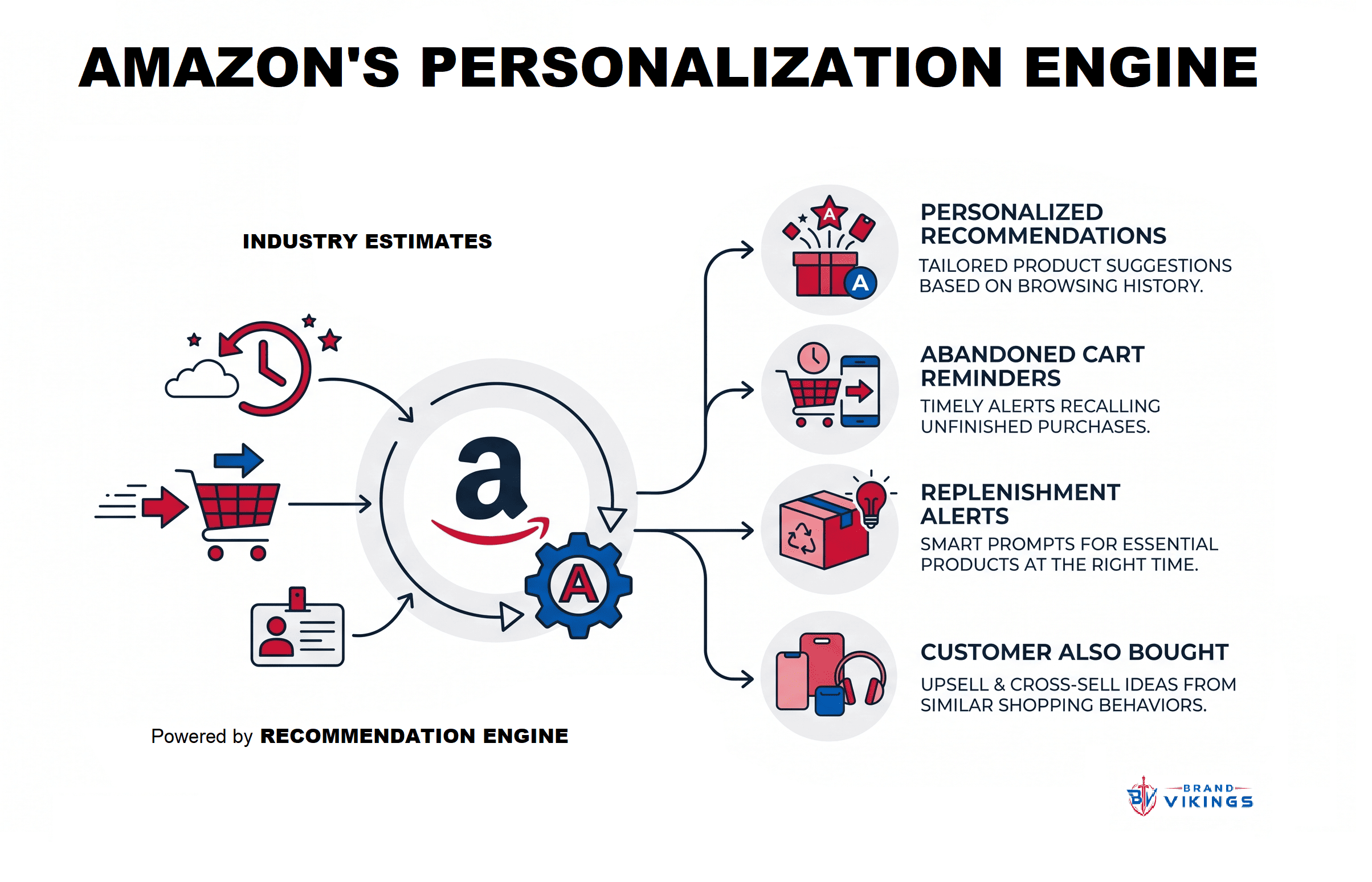
Amazon has trained consumers to expect personalized experiences.
Every recommendation, abandoned cart reminder, replenishment alert, and “customers also bought” suggestion is powered by automation.
According to industry estimates, recommendation engines contribute a significant portion of Amazon’s overall sales revenue.
The lesson? The future belongs to brands that recognize intent and respond instantly.
Starbucks Turns Data Into Revenue
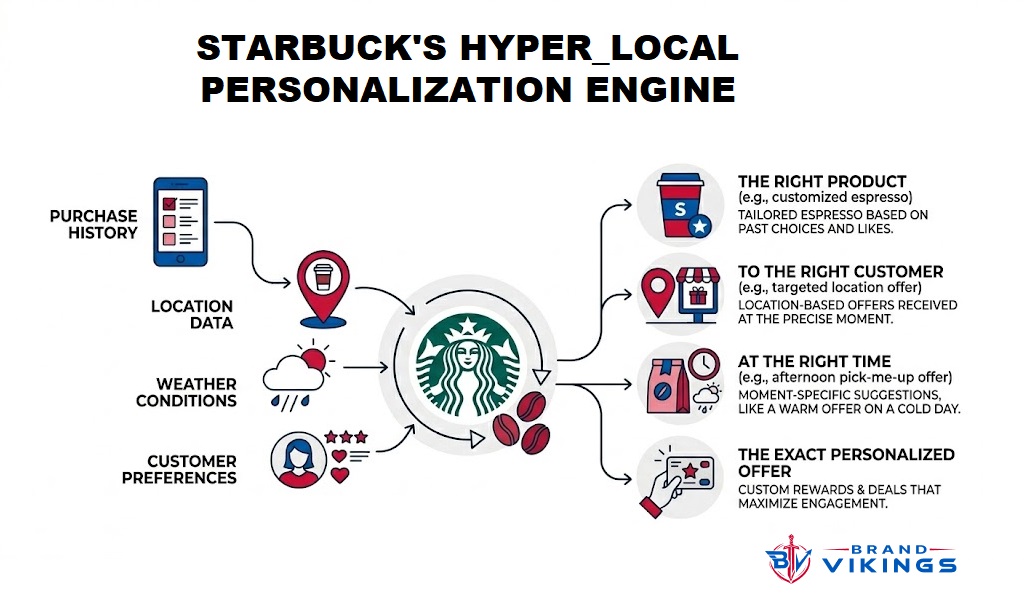
Starbucks processes millions of customer interactions through its rewards ecosystem.
Using purchase history, location data, weather conditions, and customer preferences, the company sends personalized offers at the exact moment customers are most likely to buy.
Instead of promoting every product to every customer, Starbucks promotes the right product to the right customer at the right time.
Spotify’s Automated Engagement Machine
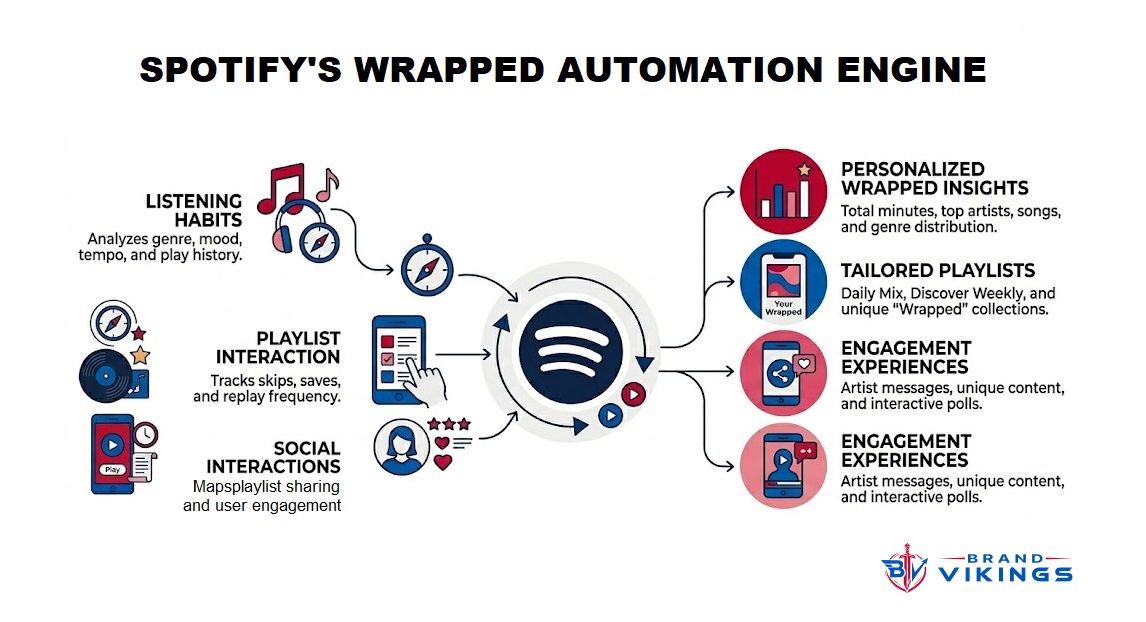
Spotify’s famous “Wrapped” campaign may look like a marketing campaign, but underneath it sits a sophisticated automation engine. Listening habits automatically trigger personalized insights, recommendations, playlists, and engagement experiences.
The result? Millions of social shares generated organically while strengthening customer loyalty without traditional advertising.
What Makes Smart Triggers So Powerful?
The most successful brands are focusing on four categories:
Behavioral Triggers – Respond to customer actions in real time.
Engagement Triggers – Reconnect inactive users before they disappear.
Purchase Triggers – Drive upselling, cross-selling, and repeat purchases.
Lifecycle Triggers – Guide customers seamlessly through every stage of the journey.
In a world overflowing with content, relevance has become the ultimate competitive advantage—and smart automation is making it possible. That’s why the smartest brands are seeing 320% growth—not because they automate more, but because they automate smarter.