Key Takeaways
- MeitY has reduced the specified unlawful-content takedown timeline from 36 hours to 3 hours.
- The three-hour requirement applies following valid court orders or reasoned government/authorized-agency intimations.
- Platforms must support clear labeling and traceable metadata for permissible AI-generated content.
- The rules specifically address harmful synthetic content, including impersonation, NCII, and child sexual exploitation material.
- Creators and brands should use AI responsibly and avoid deceptive or unlawful manipulation of people’s identity or content.
MeitY Strengthens AI Governance with Stricter Deepfake and Content Removal Rules
Artificial intelligence is transforming the face of digital content, and along with the advantages come inconveniences. It is much easier to produce convincing deepfakes, fake videos, caricatures, and misleading information. In response to these rising risks, the Ministry of Electronics and Information Technology (MeitY) has strengthened India’s regulatory framework governing AI- and artificially generated content.
What does this 3-hour removal rule mean?
The content removal timeline, reduced from 36 hours to just 3 hours, is one of the most remarkable changes. The three-hour requirement is designed to significantly speed up platform responses when unlawful content is formally brought to an intermediary’s attention. It is not that every AI-generated video must automatically disappear within three hours simply because someone reports it. The accelerated timeline is connected to the specified legal or governmental takedown mechanism.
AI Content Labeling Becomes Crucial
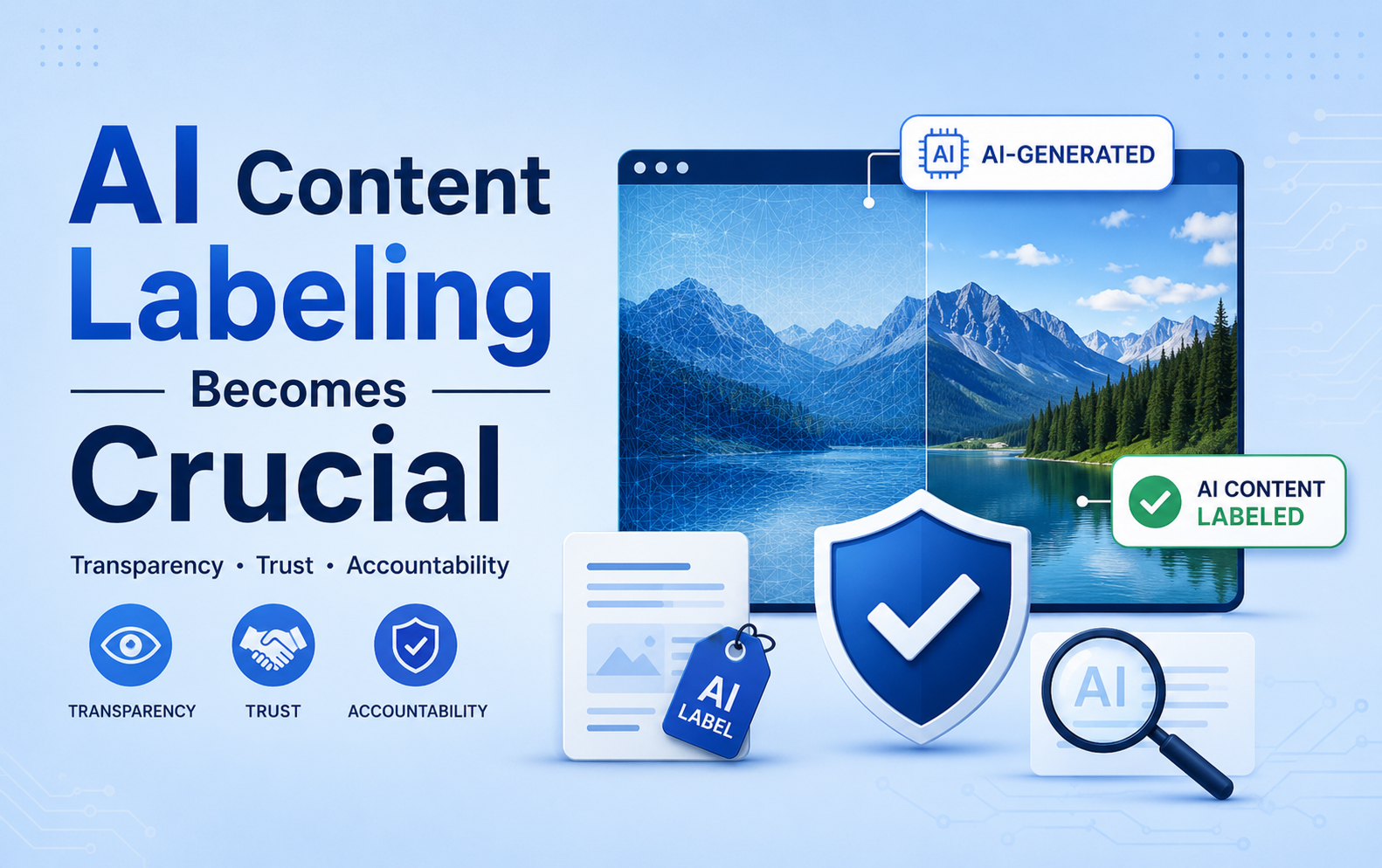
MeitY’s updated IT framework highlights the need for clear labeling and traceable metadata for permissible AI-generated content. These measures help users identify fake media and make informed decisions about what they view and share. The rules distinguish between legitimate AI use and unlawful or harmful applications. By making synthetic content identifiable, the framework aims to improve transparency, reduce deception, and encourage responsible AI use. For creators, brands, and platforms, clear AI disclosure is becoming increasingly important for building trust, transparency, and accountability in the digital ecosystem. Brands working with video marketing services should also ensure that AI-generated videos are clearly identified where required.
What Does This Mean for Creators and Influencers?
Regulatory changes also affect creators, influencers, and brands using generative AI. Creators should exercise caution when altering real people’s faces, voices, or identities. AI-generated content must not mislead audiences, enable unlawful impersonation, or violate applicable laws. Brands should strengthen content-approval processes to ensure AI-driven influencer campaigns remain compliant, transparent, and responsible. An AI video marketing agency can also help brands develop AI-driven video content while maintaining responsible content practices.
How Will the Rules Affect Social Media Platforms?
The new framework could significantly reshape how social media platforms manage content and compliance.
1. Faster Legal Response: Platforms must be equipped to verify and act on valid government and court notices within the required three-hour window.
2. Stronger AI Detection: Advanced systems will play a greater role in identifying unlawful media.
3. Clearer Content Labeling: Permissible AI-generated content should carry clear labels and traceable metadata.
4. Greater Accountability: Platforms need stronger compliance, grievance-handling, and government communication processes.
5. More Trust and Safety Investment: Platforms may need to expand AI moderation, human review, legal compliance, and digital-forensics capabilities.
Why Are Deepfakes Such a Growing Concern?
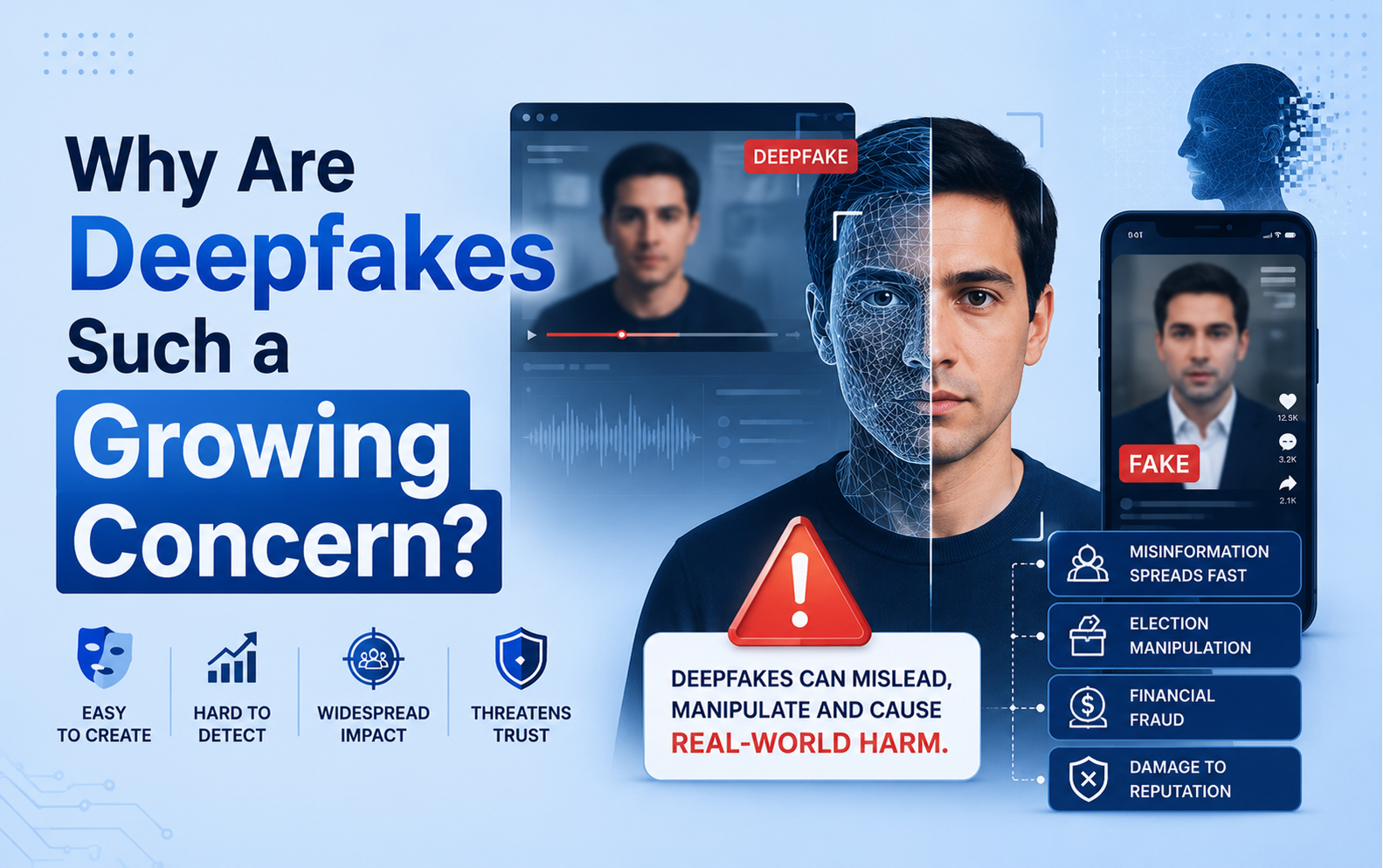
Deepfakes use AI to create or manipulate audio, images, and videos to make them appear trustworthy. MeitY’s framework addresses harmful categories such as impersonation, child sexual exploitation material, non-consensual intimate imagery, and other unlawful content. Deepfakes can be used for:
- Impersonating individuals
- Spreading misinformation and disinformation
- Creating non-consensual intimate imagery
- Misleading users about real-world events
- Defrauding individuals and businesses
- Damaging a person’s reputation
- Creating harmful content involving children
- Manipulating public perception
Platforms Have Greater Compliance Responsibilities
Intermediaries are expected to implement reasonable and appropriate technical measures, including automated tools, to prevent users from creating, modifying, publishing, transmitting, or distributing AI-generated content that violates applicable laws. Significant Social Media Intermediaries (SSMIs) have additional responsibilities, including making reasonable efforts to deploy technical measures that can proactively identify certain harmful synthetic content and previously removed identical content. This reflects a shift from simply responding to user complaints toward more proactive content monitoring and moderation.
Consequences If Platforms Fail to Comply
Compliance with the IT Rules is critical because intermediaries may lose the legal protection available under Section 79 of the Information Technology Act if they fail to meet their obligations. Loss of this protection could expose platforms to greater legal liability for third-party content and other consequences under applicable law. For major digital platforms, the changes make rapid response, effective content moderation, proper documentation, technical safeguards, and regulatory compliance increasingly important in managing AI-generated content. This is particularly relevant to a video advertising agency that creates and distributes AI-powered advertising content across digital platforms.
Conclusion
India is taking a balanced approach to AI governance by promoting innovation while strengthening safeguards. For users, the rules may bring greater transparency around AI-generated content. Creators and brands must prioritize responsible AI use, while platforms face stricter compliance requirements. Generative AI is now a larger part of marketing, entertainment, social media, and everyday communication. It is very important to ensure responsible creation and distribution of content. The future of digital content will depend on how effectively platforms, creators, brands, and users can extricate genuine innovation from harmful deception.