Key Takeaways
- Amazon’s commission cuts are reshaping the economics of affiliate marketing.
- Affiliate marketers need to diversify beyond Amazon to reduce platform risk.
- Creators are becoming more influential in driving affiliate sales and purchase decisions.
- First-party audiences and direct brand partnerships are gaining importance.
- Affiliate marketing is increasingly merging with influencer marketing and social commerce.
Amazon’s Affiliate Commission Cuts Signaling a Huge Shift
Amazon Associates has long been one of the most recognizable affiliate marketing programs. Publishers, bloggers, creators, and website owners could recommend products, send shoppers to Amazon, and earn a percentage of qualifying purchases. But in 2026, that equation does not remain the same for some affiliates.
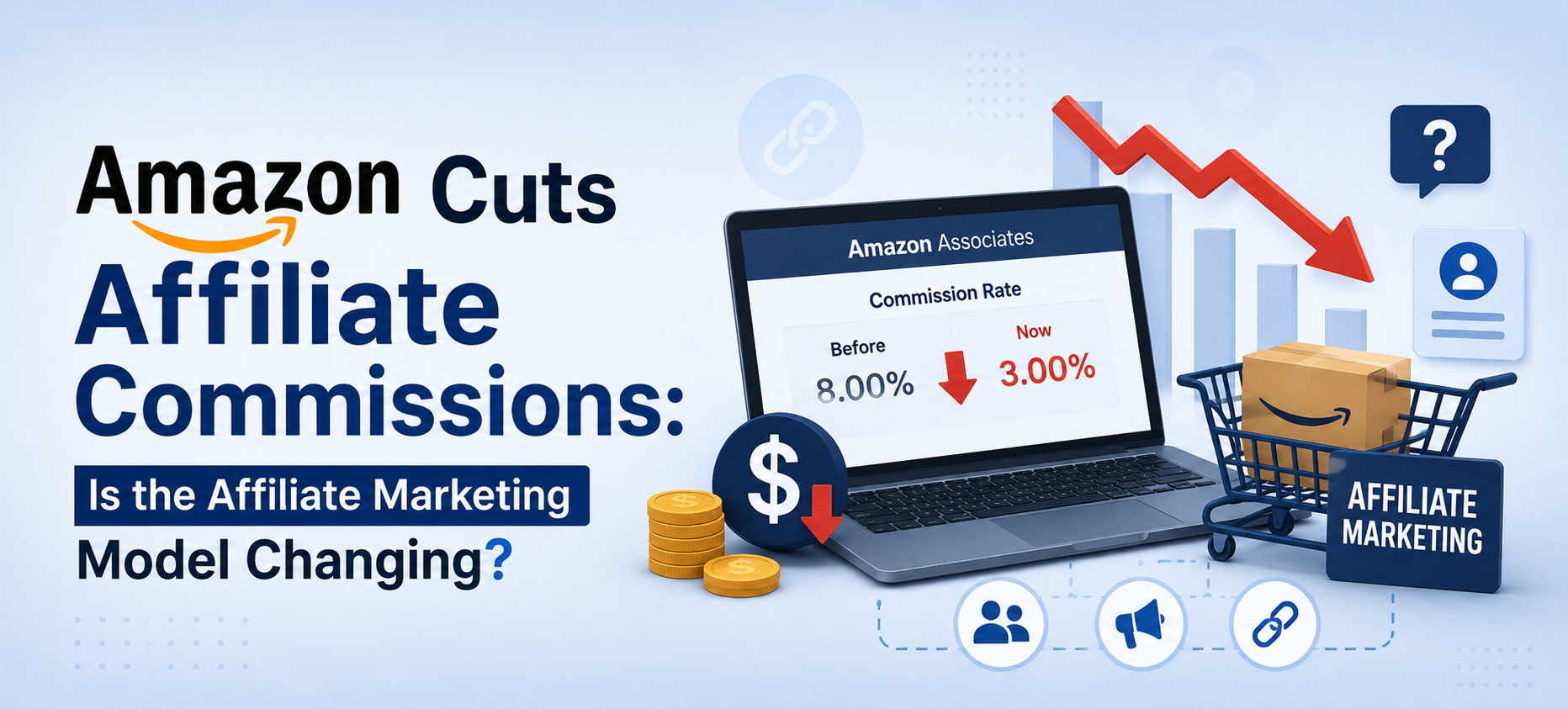
Reports say Amazon reduced affiliate commissions by up to 50% for some publishers, with certain categories that previously paid commissions of up to 10% reportedly falling to 4%–5%. The changes began in parts of Asia-Pacific in late 2025 and were introduced to US publishers in March 2026. The cuts are significant because they affect the economics of publishers that built their businesses around high-volume Amazon referrals. The impact can be significant. The traffic and sales have not changed, but the economics have.
Why Are Affiliate Commissions Feeling the Heat?
Affiliate marketing works on a performance-based model. Brands pay affiliates when their promotion contributes to a sale or another defined action. For platforms like Amazon, commissions are effectively a customer-acquisition cost. As ecommerce becomes increasingly competitive, companies have more ways to acquire customers through paid advertising, creators, retail media, email, search, and their own loyalty ecosystems. This gives large platforms greater flexibility in deciding how much they are willing to pay for external traffic. The affiliate commission cuts are also a part of the larger ecommerce environment where platforms are constantly reassessing costs, margins, and customer acquisition.
Creators Are Becoming Important to Affiliate Commerce
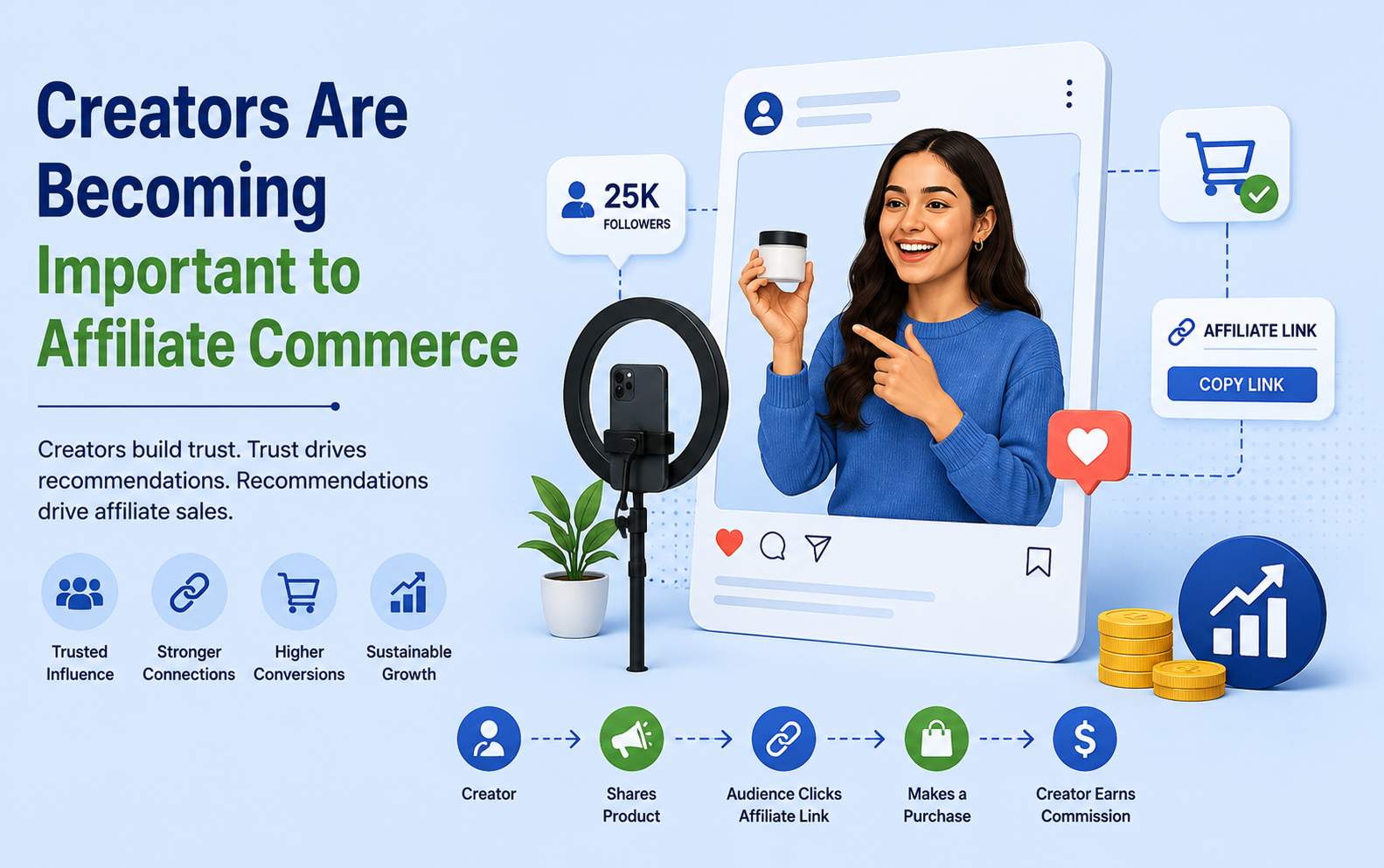
Affiliate marketing is increasingly moving beyond traditional product links, with creators becoming a powerful bridge between brands and consumers. Instead of simply sharing an affiliate link, creators can demonstrate products, compare options, share personal experiences, and influence purchase decisions through trusted recommendations. This shift is attracting significant investment.
ShopMy has 243,000 content creators generating over $200 million in monthly sales, with commissions often ranging from 10% to 30%. These developments show why creators are becoming an increasingly important part of the affiliate economy.
Affiliate Marketing Is Being Diversified
Amazon’s commission cuts come as the broader affiliate marketing ecosystem continues to expand. Grand View Research estimates the global affiliate marketing platform could reach $23.8 billion in 2026, growing at a 5.9% CAGR through 2033. The shift is therefore toward a more diversified model, where brands, creators, and affiliate marketing partners focus on stronger relationships, audience trust, and measurable customer acquisition.
Link-based Model to a Relationship-driven Commerce Model
Traditional affiliate marketing focused heavily on clicks and traffic, while the emerging model prioritizes trust, purchase intent, and measurable sales. Amazon’s changes could accelerate this transition by encouraging affiliates to explore alternative retailers, affiliate networks, direct brand partnerships, and creator-commerce platforms. The growing presence of platforms such as Levanta and ShopMy further highlights how affiliate marketing is expanding beyond traditional networks, with creators playing a larger role in influencing consumer purchasing decisions.
What is the Lesson for Brands?
Brands should not view Amazon’s affiliate commission cuts as a reason to move away from affiliate marketing. Instead, the change highlights the need for a more diversified partner ecosystem. Brands can collaborate with affiliate marketing partners, creators, publishers, niche communities, and specialized affiliate platforms to reduce dependence on a single channel. Combining affiliate commissions with influencer campaigns, product seeding, and performance-based bonuses can also create stronger incentives. The focus should shift from generating clicks to driving genuine purchase intent.
Lesson for the Affiliate Marketers
Diversification Will Become Essential: Affiliates should work with multiple retailers, networks, and brands rather than relying on Amazon alone. Diversification can reduce platform risk and protect revenue.
First-Party Audiences Will Become Valuable: Owned audiences through newsletters, YouTube, communities, and social media give affiliates greater control over distribution, especially as search algorithms and AI-powered discovery continue to change.
Creators Will Further Negotiate Performance Deals: Creators can increasingly combine fixed fees, affiliate commissions, performance bonuses, and revenue sharing, earning more when their content drives measurable sales.
Brands May Build Their Own Affiliate Programs: Brands can develop direct affiliate programs with creators and publishers, giving them greater control over commissions, customer relationships, attribution, and campaign performance while rewarding top-performing partners.
The Future – A Merge of Performance Marketing and Influencer Marketing
Amazon’s affiliate commission cuts reflect a broader transformation in digital commerce. Affiliate marketing is increasingly merging with influencer marketing, social commerce, and creator-led recommendations, as brands look beyond traditional affiliate links to build stronger partnerships, engage targeted audiences, and drive measurable sales through trusted creators.