Key Takeaways
- Hyperlocal Festival Strategy: Pepe Jeans boosted Onam engagement in Kerala by replacing discount ads with localized influencer content.
- Integrated Multi-Channel Execution: The campaign seamlessly combined regional creator content with geotargeted OOH billboards across 13 cities in Kerala.
- Shift to Micro & Regional Creators: Over 62% of brand briefs now demand regional content for their strong local relevance.
- Cross-Brand Validation: Global and national brands like Coca-Cola, BIBA, Renee Cosmetics, ITC Aashirvaad, and Sephora are successfully scaling localized influencer campaigns.
- Strategic Agency Blueprint: Influencer marketing agencies must prioritize geographic audience demographics, cultural alignment, native-language fluency, and measurable conversions.
How Did Pepe Jeans Use Localized Influencer Collaborations Across Kerala to Boost Festive Engagement?
Fashion brands have treated influencer marketing mostly as celebrity endorsements—publishing stylish posts and showcasing products to millions. But India’s creator economy is changing the playbook. Reach and relevance are now equally critical, especially when national brands enter regional markets.
This shift is evident in Pepe Jeans’ localized influencer collaborations across Kerala during the Onam festive season. By pairing contemporary denim with regional creators and cultural moments, Pepe Jeans set a benchmark for how national brands can build campaigns that feel deeply local by collaborating with an influencer marketing agency in India.
The Shift Towards Localized Influence
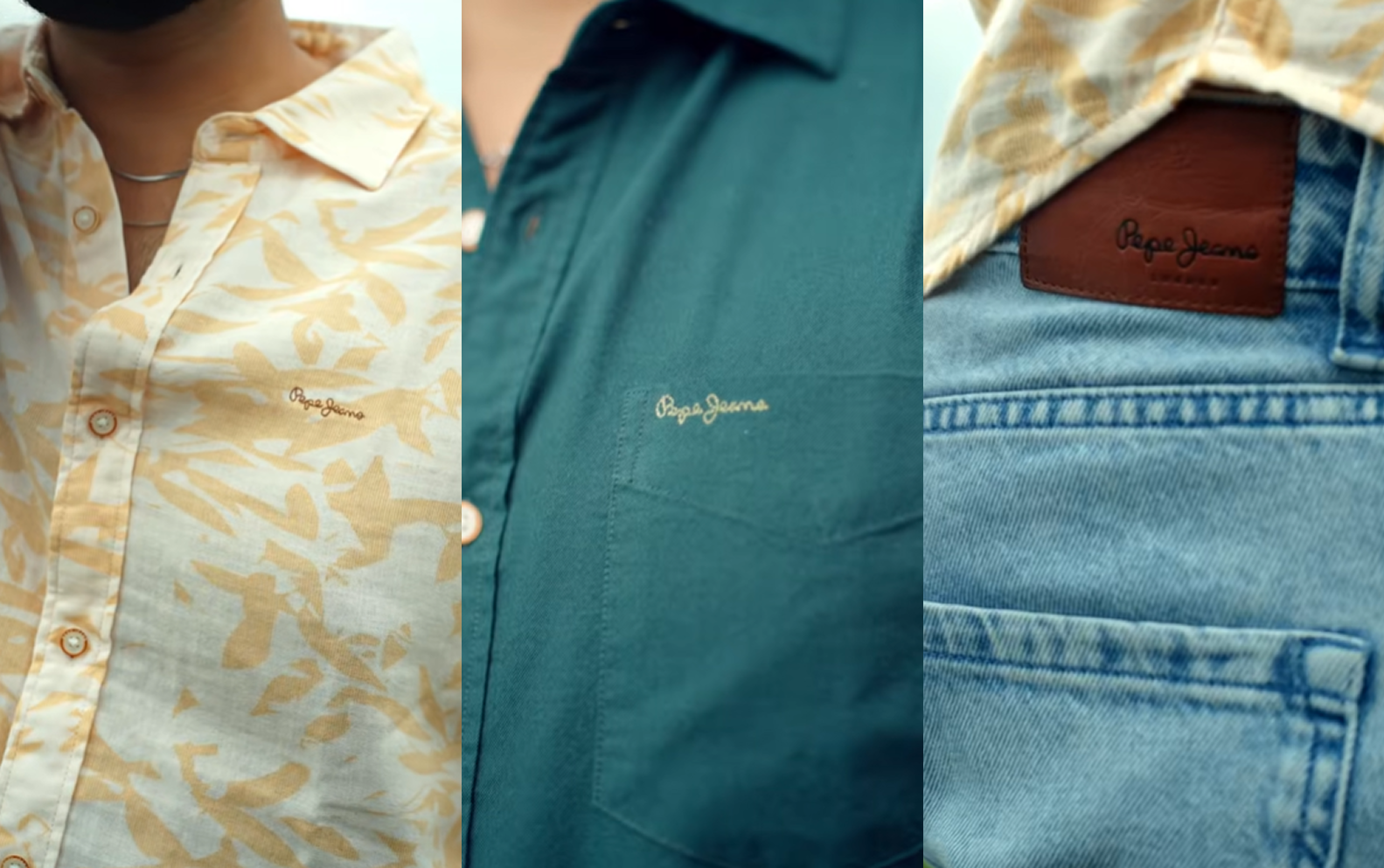
Pepe Jeans well understood that India is a collection of diverse cultural markets with different languages, fashion preferences, and festival traditions. But this time, they broke all conventions. During their Onam campaign in Kerala, Pepe Jeans London shifted away from nationwide discount promotions and executed an integrated, hyperlocal strategy designed to make contemporary denim a natural part of the modern Malayalam festive wardrobe. Rather than relying on usual discount banners, the brand positioned its modern denim and relaxed shirts as absolute staples for the Malayalam festive wardrobe. Rakesh Jallipally, CEO of Pepe Jeans London (India), said,
“Onam is a celebration that brings people, families and communities together, and we wanted our campaign to reflect that spirit while staying true to the Pepe Jeans identity…”
Using Multi-Channel Execution Tactics
To build authentic local touchpoints, Pepe Jeans activated three strategies:
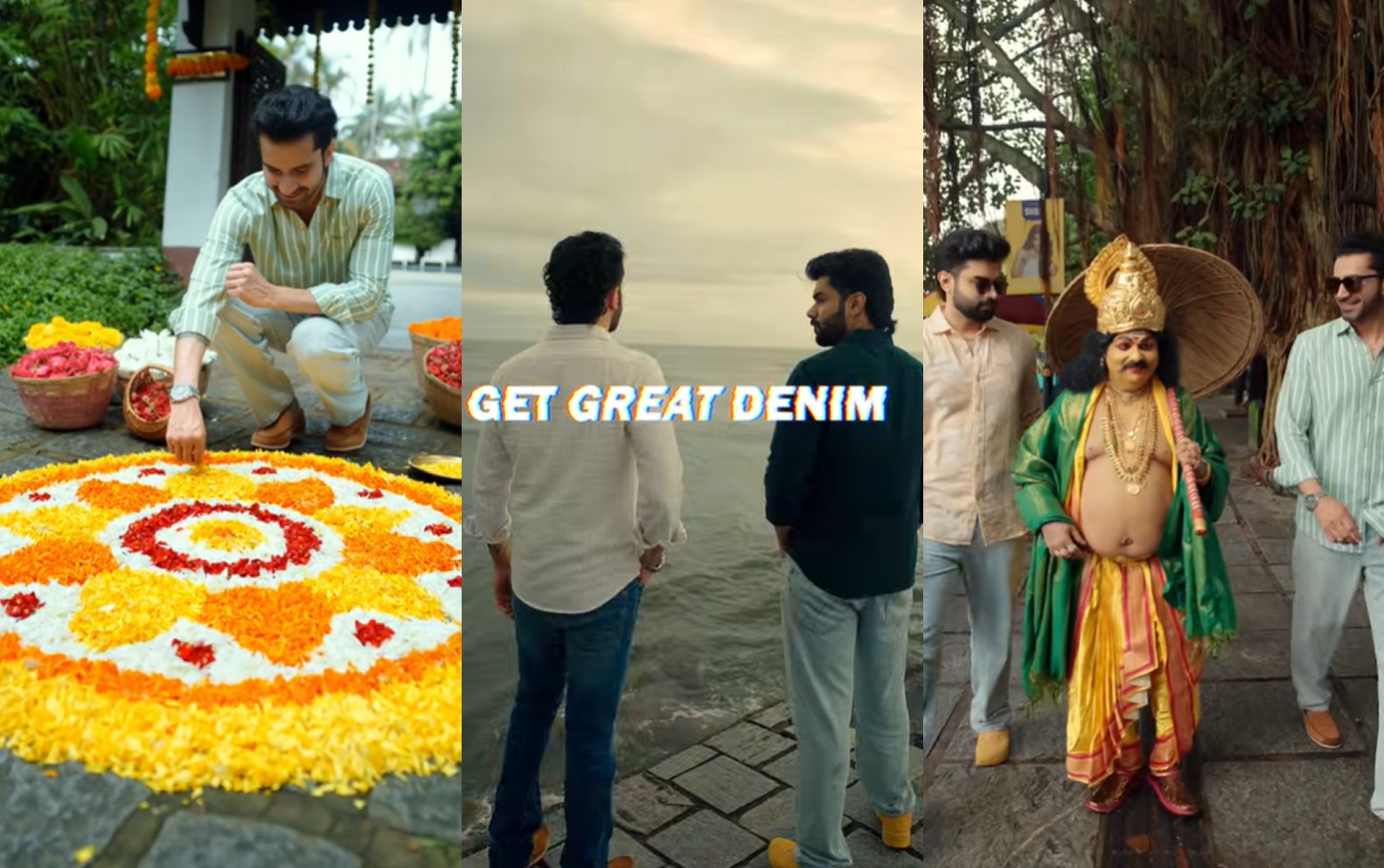
Collaborating with regional creators – Teaming up with Kerala-based influencers, the campaign produced lifestyle-led content such as festive GRWM reels, Onam shopping vlogs, and Kochi city explorations. This showcased denim alongside traditional festive wear.
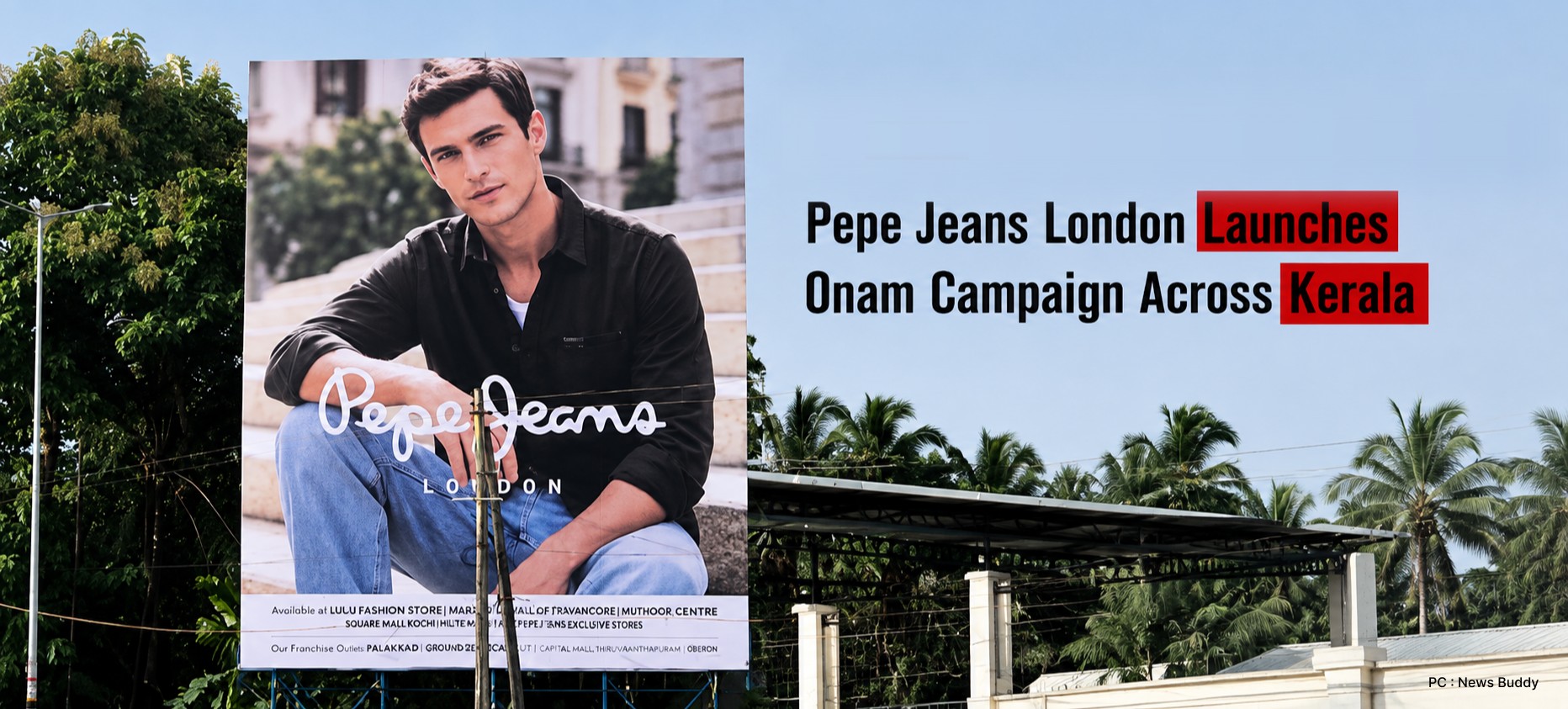
Geotargeted Coverage – The shift wasn’t just online. Pepe Jeans integrated digital creator content with physical billboards across 13 other key Kerala cities (including Ernakulam, Kozhikode, Thrissur, and Thiruvananthapuram).
Direct CRM & Footfall Conversion – Localized social content drove high engagement that was converted into store visits through targeted WhatsApp and conventional SMS communications sent to Pepe Jeans’ regional customer base.
By integrating regional storytelling across social channels, physical out-of-home media, and direct messaging, Pepe Jeans showed how denim naturally fits into local lifestyle experiences during festive occasions.
Brands Are Harnessing Local Stories – A Brief Coverage
Rather than creating a single campaign and translating it into several languages, leading brands build content directly around local context. Take a look at how other brands are also following the trend.
Coca-Cola is a great example of how a global brand can stay consistent while making its marketing feel local. In a campaign across the UK, France, Spain, Belgium, and the Netherlands, the company partnered with 33 influencers who created content focused on sharing meals with family and friends. While the core message remained the same, each creator presented it in a way that reflected their own culture, traditions and lifestyle.
BIBA, an Indian fashion brand, has worked with Assamese influencers during Durga Puja, South Indian creators around Onam, and Punjabi creators around Karwa Chauth.
Renee Cosmetics has similarly adapted influencer campaigns around geographically important festivals, including Onam in South India.
ITC Aashirvaad has taken regional content even further. Its South India creator program involved creators across Kerala, Tamil Nadu, Karnataka, Andhra Pradesh, and Telangana, generating 98 vernacular recipe videos and more than 29 million views against a target of 10.2 million.
Sephora, the International beauty brand, has developed localized social strategies across different countries, using separate market-specific accounts, creators, and community approaches. Sephora’s international influencer strategy highlights how the brand adapts language, communication, and influencer selection for different markets.
Why Hyperlocal Influencer Marketing Matters?
In a country like India, national campaigns are difficult to personalize due to language, festivals, fashion preferences, and cultural references changing from one state to another. Research estimates that India has around 4–4.4 million active creators, while more than 62% of creators reported an increase in regional and vernacular campaign briefs. That is a good amount of opportunity for an influencer marketing agency. For a fashion campaign targeting Kerala, a Malayalam-speaking creator who understands Onam fashion may deliver better cultural relevance than any other national celebrity with millions of followers.
Why Micro-Influencers Are Rising?
The rise of micro- and nano-influencers is closely connected to this hyperlocal shift. Kofluence’s 2025 report found that 52% of marketers prefer micro-influencers with 10,000–100,000 followers for regional and hyperlocal campaigns. This is where influencer marketing platforms become essential. Brands can leverage these platforms for seamless creator discovery, audience filtering, and campaign analytics to efficiently scale hyperlocal initiatives.
Lessons for Influencer Platforms and Agencies
For an influencer agency in India, choosing creators should go beyond simply looking at follower counts or vanity metrics. A successful regional influencer campaign needs to consider several factors.
1. Whether the creator’s audience is actually based in the target region, whether they can communicate naturally in the local language, and whether their followers genuinely engage with their content.
2. Cultural fit is important, as creators should understand the festival, traditions and local preferences they are representing.
3. Their content style should also allow them to showcase a product naturally without making the collaboration feel like a forced advertisement.
4. Finally, brands should look at measurable outcomes such as reach, engagement, clicks, leads, and conversions to determine the campaign’s actual success.
Pepe Jeans’ Kerala Onam campaign proves that localized, culture-first influencer marketing drives far deeper audience engagement than generic nationwide promotions.