
Key Takeaways
- AI is shifting brands from borrowing influence to owning personalities. Brands can create digital characters that become long-term, scalable brand assets.
- AI influencers offer scale and consistency. Unlike human creators, virtual personalities can be controlled, adapted, and produced without scheduling.
- Human influencers still own authenticity and trust. AI characters build recognition, but lived experience, genuine opinions, and emotional connection remain advantages.
- AI can become part of brand identity, not just a marketing tool. Myra Kapoor shows how a virtual character serves as a brand mascot with a distinct purpose.
- The future is likely hybrid, not replacement. Human influencers build trust and relevance, while AI characters can create scalable content and brand consistency.
How Myra Kapoor Is Transforming Influencer Marketing with AI
The real story isn’t that Mankind Pharma created a Virtual AI model. It’s that brands are beginning to move from borrowing personalities to owning them. For decades, brands relied on celebrities and creators to build cultural relevance and influence. Now, AI-generated videos and digital personalities are giving brands new ways to create, control, and scale their own identities. This shift could significantly reshape the economics and structure of influencer marketing.
Myra Kapoor – The New AI Sensation in Manforce’s 2026 Branding
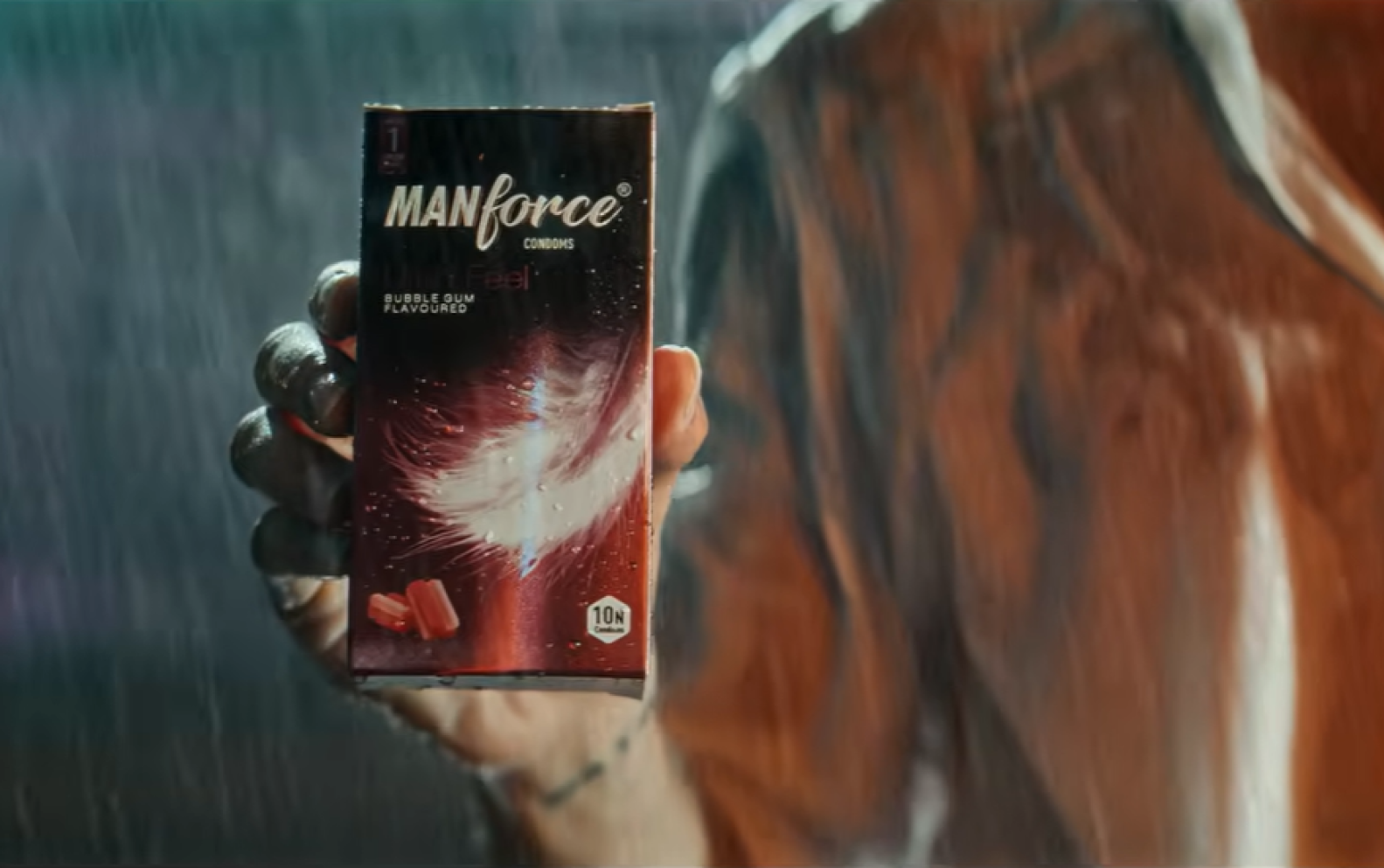
Manforce Condoms appointed Myra Kapoor, an AI-generated model, as its new official brand ambassador. This partnership is different from traditional celebrity endorsements, signaling a new chapter in influencer marketing for the FMCG sector in India. What makes the strategy particularly interesting is that Myra is not replacing Manforce’s human ambassadors. In April 2026, Manforce appointed actor and model Manasvi Mamgai while continuing its association with Sunny Leone and Myra Kapoor. Mankind appears to be treating AI and human influence as complementary rather than mutually exclusive.
The strategy is a calculated power play. By embracing an AI influencer, Manforce gains greater control over its brand narrative while reducing challenges associated with talent availability, scheduling, production, and reputational risk. Myra can be customized around specific campaign requirements and developed into different formats whenever the brand needs fresh communication. This approach also resonates with a digitally native Gen Z audience that is increasingly familiar with AI-driven content and virtual creations.
Myra’s Remarkable Potential and Consistency
Myra’s biggest influencer-marketing advantage could be her limitless content potential. Celebrity campaigns depend on talent availability, locations, production crews, styling, photography, permissions, and scheduling. An AI-generated character can offer a far more flexible content-production model.
Myra can be adapted across Instagram Reels, YouTube videos, memes, seasonal and festival campaigns, topical content, digital advertisements, product explainers, interactive experiences, social conversations, branded storytelling, and virtual events. This is where AI video marketing can be particularly valuable, allowing brands to experiment with visual storytelling while maintaining a consistent brand character and identity.
This consistent identity gives the brand greater control over scale and speed. It also reflects Mankind Pharma’s broader digital transformation, with its FY2025–26 annual report highlighting AI-led marketing, personalized engagement, influencer collaborations, and AI-enabled communication as part of its evolving marketing approach.
Manforce Owns Myra – A Brand Asset
The biggest branding idea behind Myra is that Manforce is not simply using an AI influencer to promote the brand. It is creating a potential brand asset. Mankind has positioned Myra to make conversations around intimate topics more approachable. She can give Manforce a distinctive and relatable voice in a sensitive category.
Beyond branding, her unconventional identity creates a strong PR advantage, generating curiosity, media attention, and conversations around the campaign itself. Her presence can also support a broader AI content-creation agency ecosystem, in which brands develop recurring digital characters and use them across multiple campaigns rather than creating one-off pieces of content.
Traditional celebrity marketing follows a linear model: the brand hires a celebrity, the celebrity promotes the product, and eventually the campaign ends. Myra changes this equation by giving Manforce creative ownership and greater control over the character. This could transform Myra from a campaign face into a long-term asset that contributes to brand recognition, consistency, and equity.
Intimate Talks and More Made Easy

Myra Kapoor is an example of how AI can become an active part of a brand’s identity. Manforce now has a new way to communicate that conversations around intimacy do not always have to be uncomfortable or difficult.
However, Myra’s long-term success will depend on more than novelty. She will need to create brand recall, emotional engagement, and, ultimately, consumer action. That makes her an interesting example of how brands are exploring opportunities to combine technology with human connection.
For brands seeking continuous, scalable content, creating their own digital personalities could become a powerful new layer in modern marketing strategy. Instead of simply hiring creators for individual campaigns, brands may increasingly build characters that exist as ongoing extensions of their identity.
But AI- Influencer Myra Isn’t Really a Replacement for Traditional Influencer Marketing
Myra is an AI influencer, but she is unlikely to replace human creators because the two offer different forms of value. Human influencers bring lived experiences, personal opinions, personality, audience relationships, social proof, and trust. They can genuinely say, “I tried this,” share a personal story, or explain how a product fits into their real lives. Myra, on the other hand, offers character, scalability, visual consistency, creative control, and complete brand ownership. But her experiences and stories are constructed rather than lived.
This makes AI influencers powerful for producing scalable brand content, but it also creates clear limitations. Audiences may engage with the character without developing the same level of trust they have with a real person. Therefore, the future of influencer marketing is unlikely to be a matter of human creators versus AI influencers. Instead, it is moving towards a hybrid ecosystem where human creators, AI characters, and celebrity ambassadors work together. Each can play a different role in building reach, creativity, credibility, and brand connection.
Will You Trust AI Influencer Myra?
The truth is that an AI character does not experience desire, heartbreak, attraction, or any other emotion. And without lived emotion, authentic storytelling becomes difficult. Yet audiences do not always engage with fictional characters because they believe they are real—they engage because the characters represent something relatable, entertaining, or culturally relevant. That leaves us with a much harder question: Can Myra create the same level of trust as human creators? The bigger opportunity may be discovering how AI-generated personalities and human creators can coexist and how brands can use both to build the next generation of influence.